SERIKAT · Study project and venture
Quality is made by hand.
A platform idea to bring designers, craftspeople and buyers together — and a real attempt to build a business around small series.
Explore the case01 / Starting point
Good ideas need more than a drawing.
Designers had ideas to make, craftspeople had the skills to make them, and buyers could discover objects with a story beyond mass production. We imagined a service that would bring all three together around small series.
In a team of eight at HfG Schwäbisch Gmünd, I worked on the platform and app concept, designed the website and, with Anika Flessner, the magazine. In 2014 I co-founded SERIKAT to take the idea further.
- Designers
Ideas were staying in drawers. Young designers often had concepts but no path to a skilled workshop. The platform was conceived as a way to find a maker and develop the product together.
- Makers
Would a busy workshop join? Craftspeople brought the material knowledge and the ability to make. We proposed new collaborations and visibility, but many of the workshops we had in mind were already fully booked. More orders alone were not a strong incentive.
- Buyers
Buying could mean knowing who made it. For buyers, the proposal was a curated alternative to anonymous mass production: objects whose designers, makers, materials and making process were visible.
02 / Discovery
Start with how people choose, make and buy.
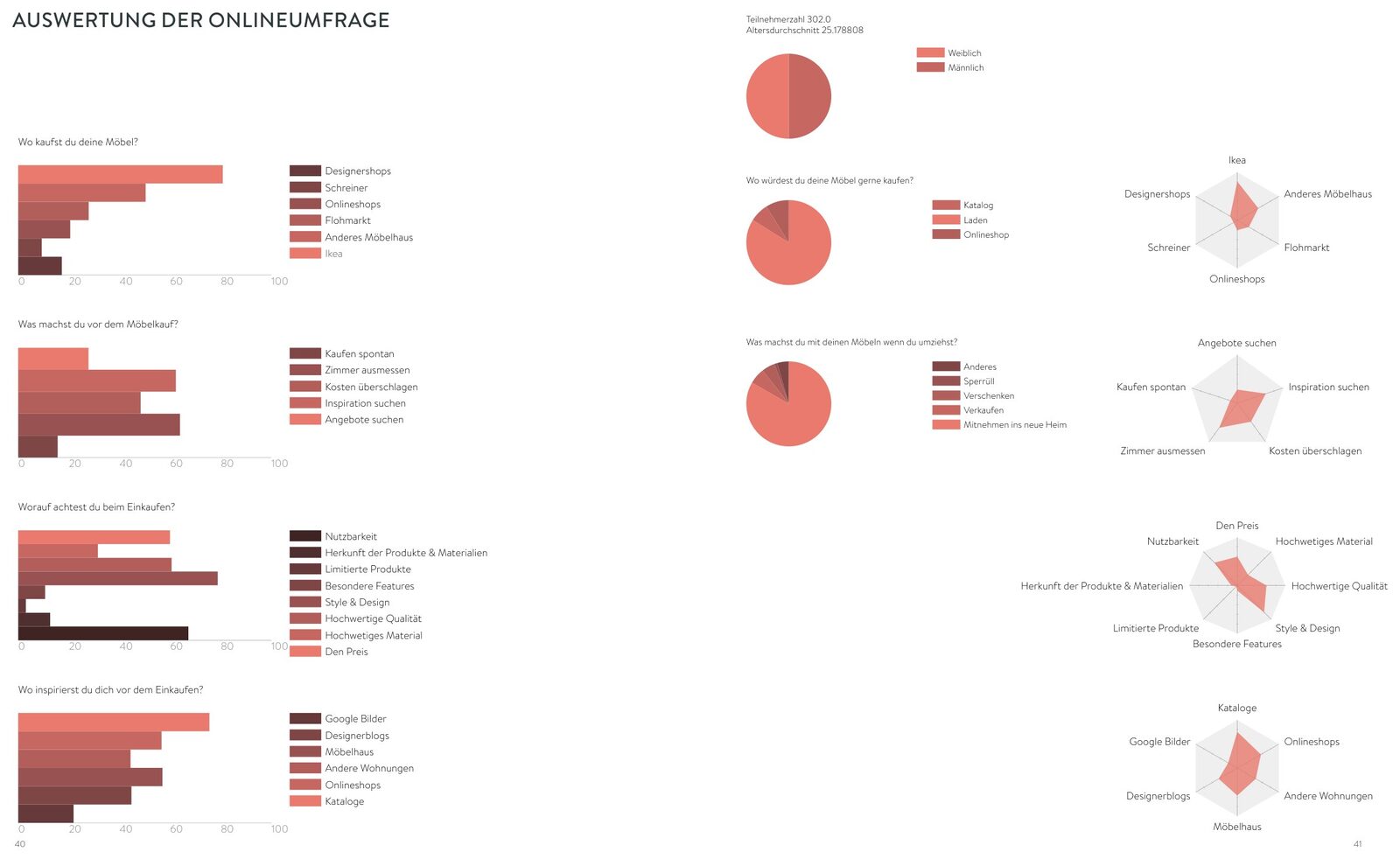
The 2013 university project, then called Hand und Werk, began with maker interviews, competitor research, personas and a survey about furniture buying. We mapped a service before deciding what each medium should do.
Interviews with makers and research into existing shops and labels came first. Stakeholders, personas and a customer journey then exposed the handoffs between people.
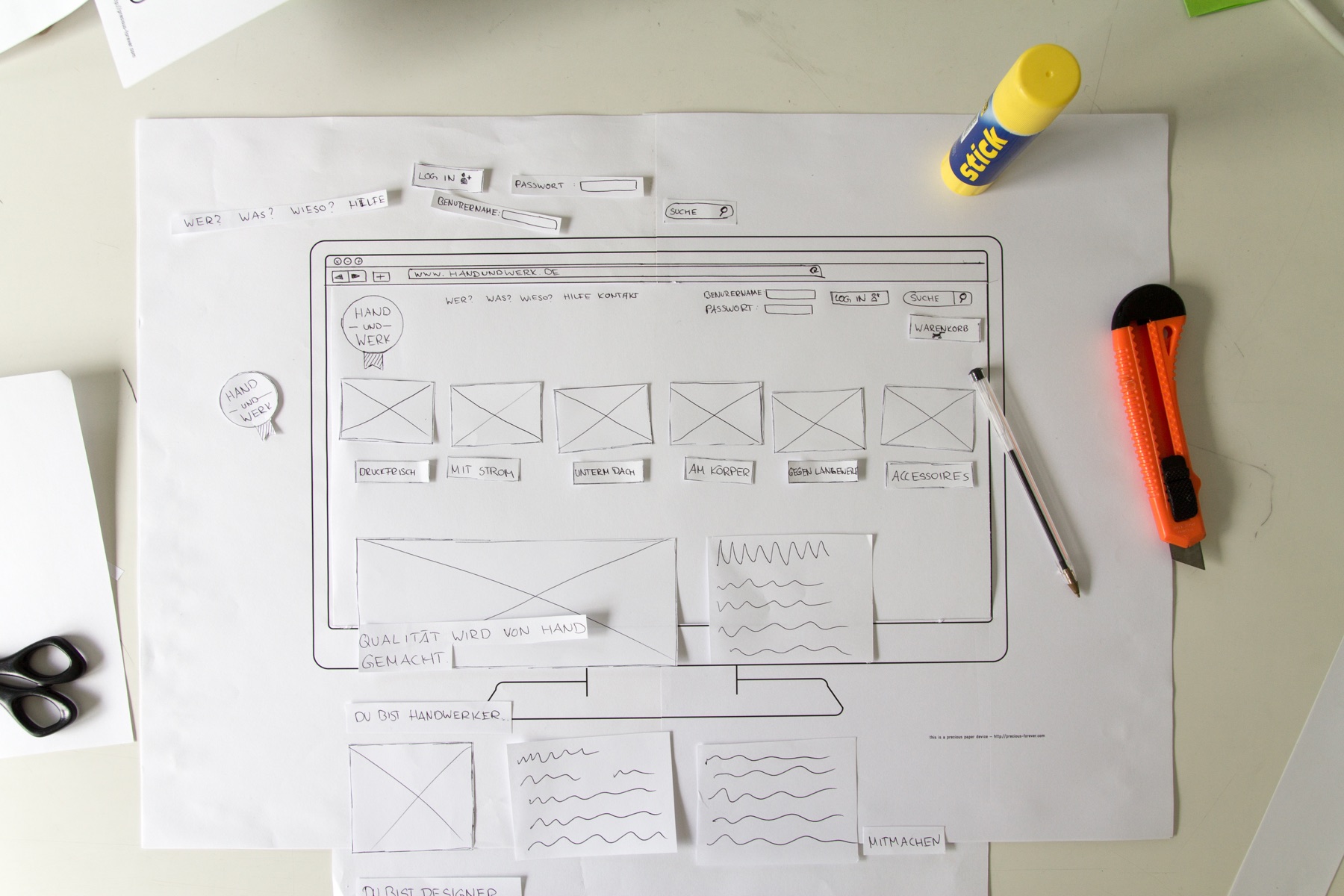
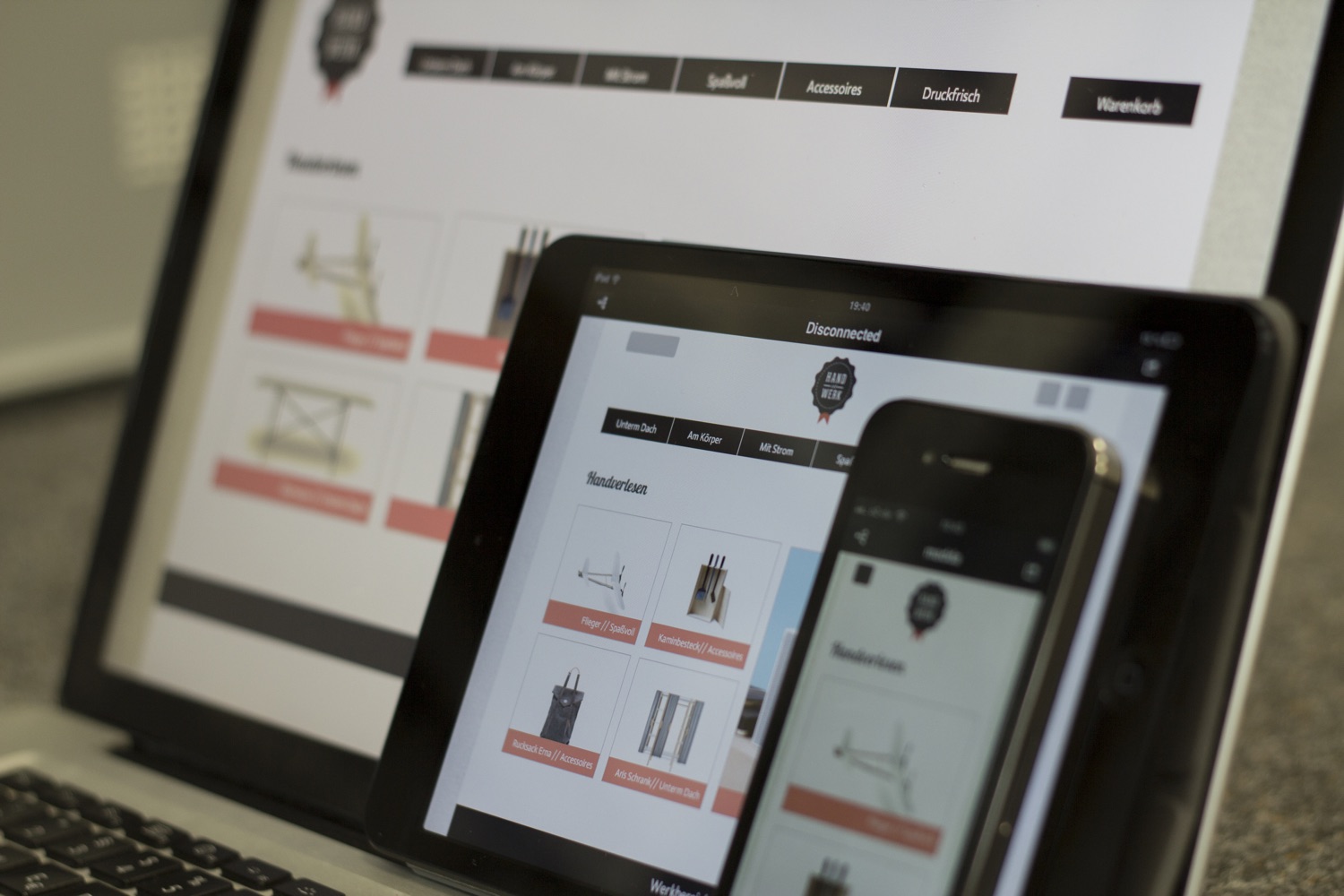
A WordPress shop prototype, product data import, app screens and the magazine made the idea testable as a system.

03 / System
One platform idea. Three different jobs.
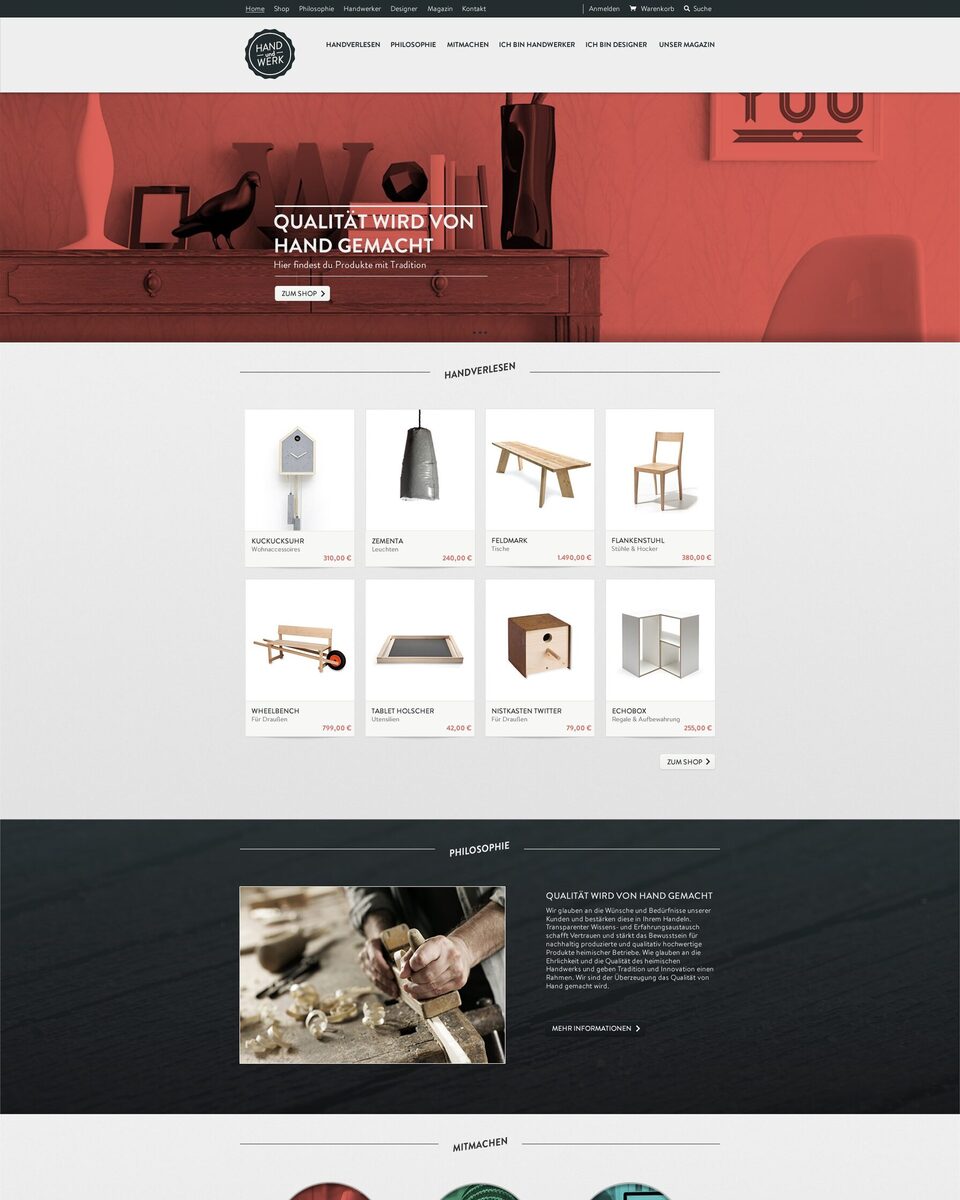
Hand und Werk already envisioned small series developed by designers and craftspeople, then discovered by buyers. The shop, collaboration app and magazine each played a distinct part in that platform concept.
A place to find the object and its maker.
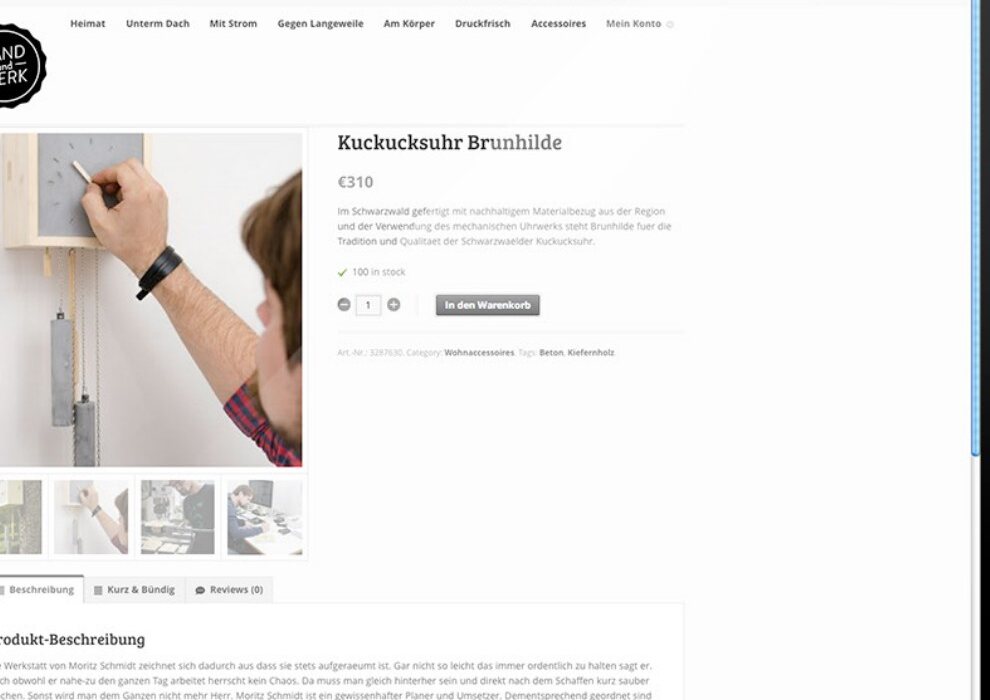
The web shop brought products, materials, makers and purchase intent together. A WordPress prototype could import product records from a CSV file — an early attempt at one content source for the different channels.
A tool for the people making the work.
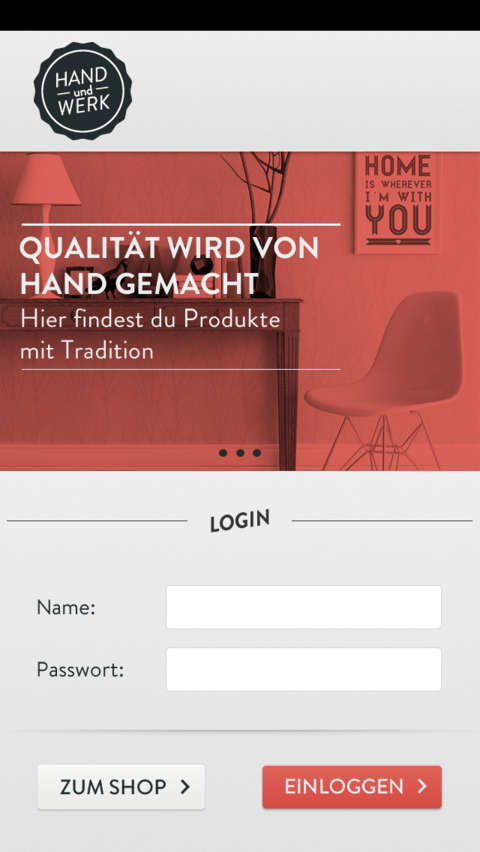
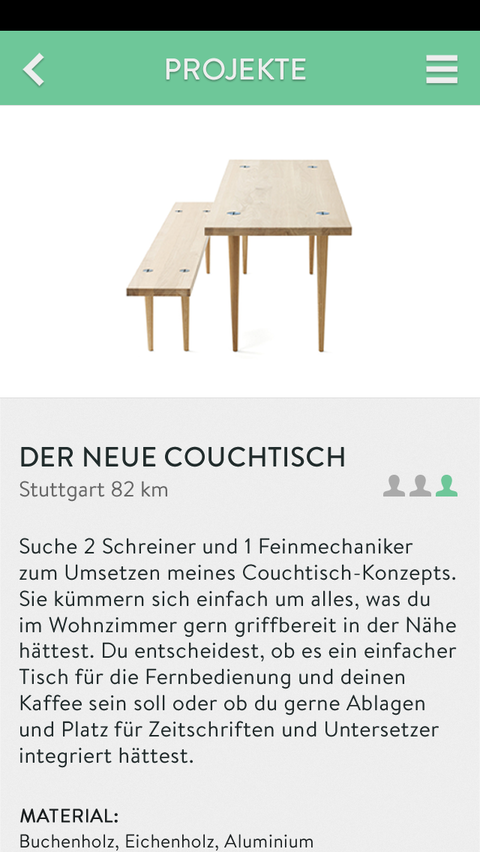
The app was designed for projects, orders, messages and contacts between designers and craftspeople. We deliberately resisted making it a smaller version of the shop: that would not have given its users a new reason to open it.
Give a product a place, a process and a person.
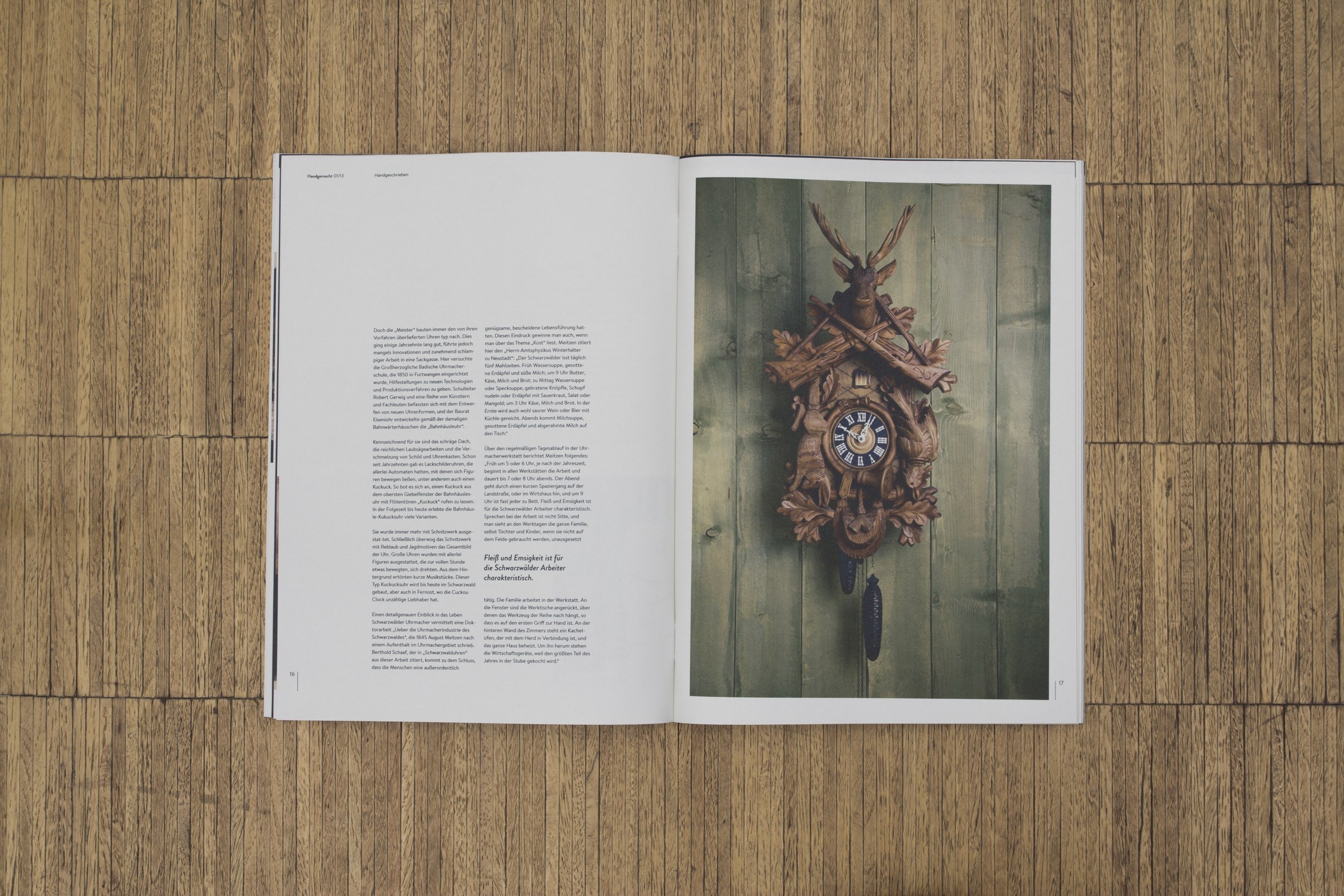
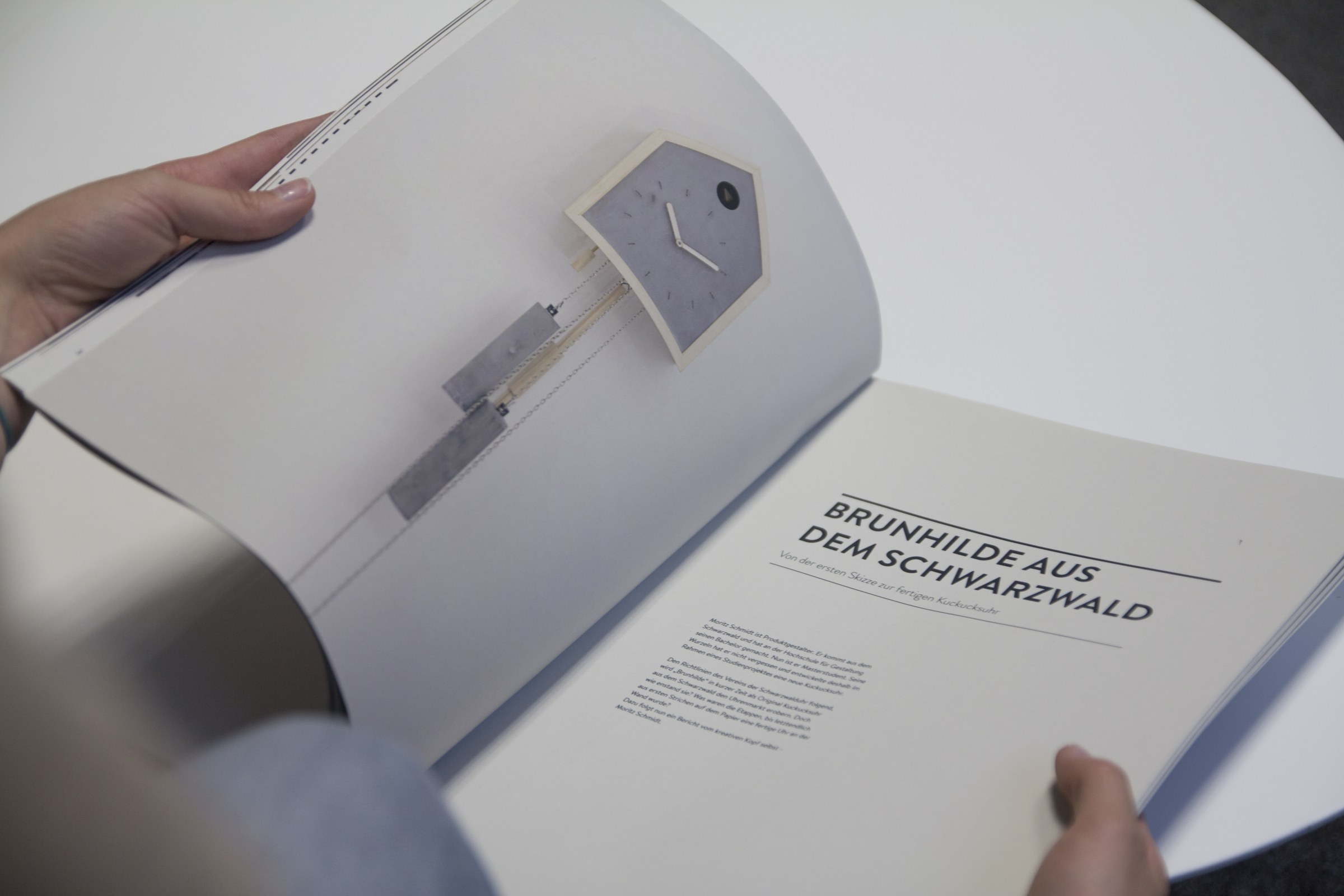
Issue 01/13 of Handgemacht focused on the Black Forest. Designed with Anika Flessner, it gave the objects room for long-form storytelling that a product card could not carry.
04 / Product story
Brunhilde made the idea tangible.
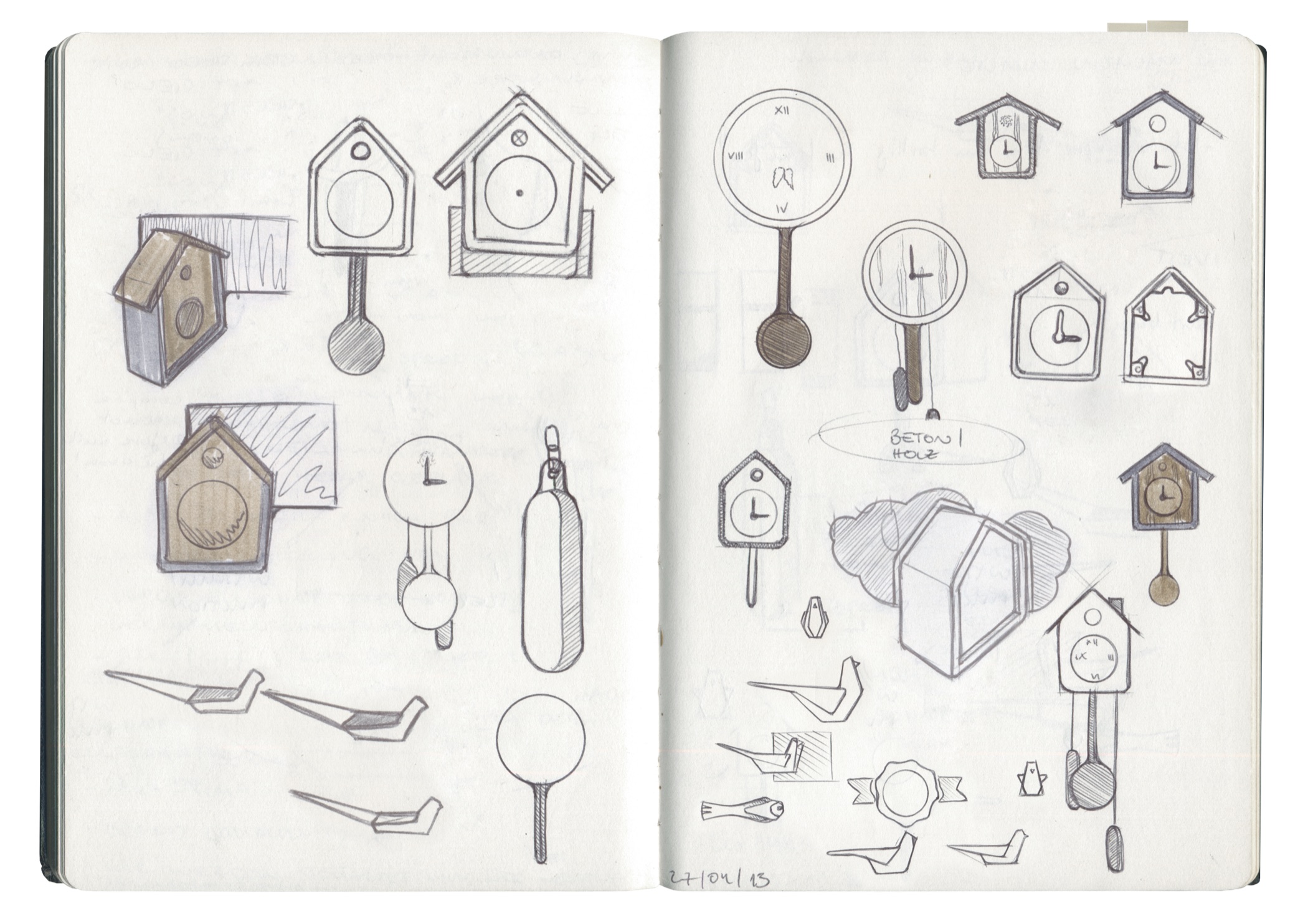
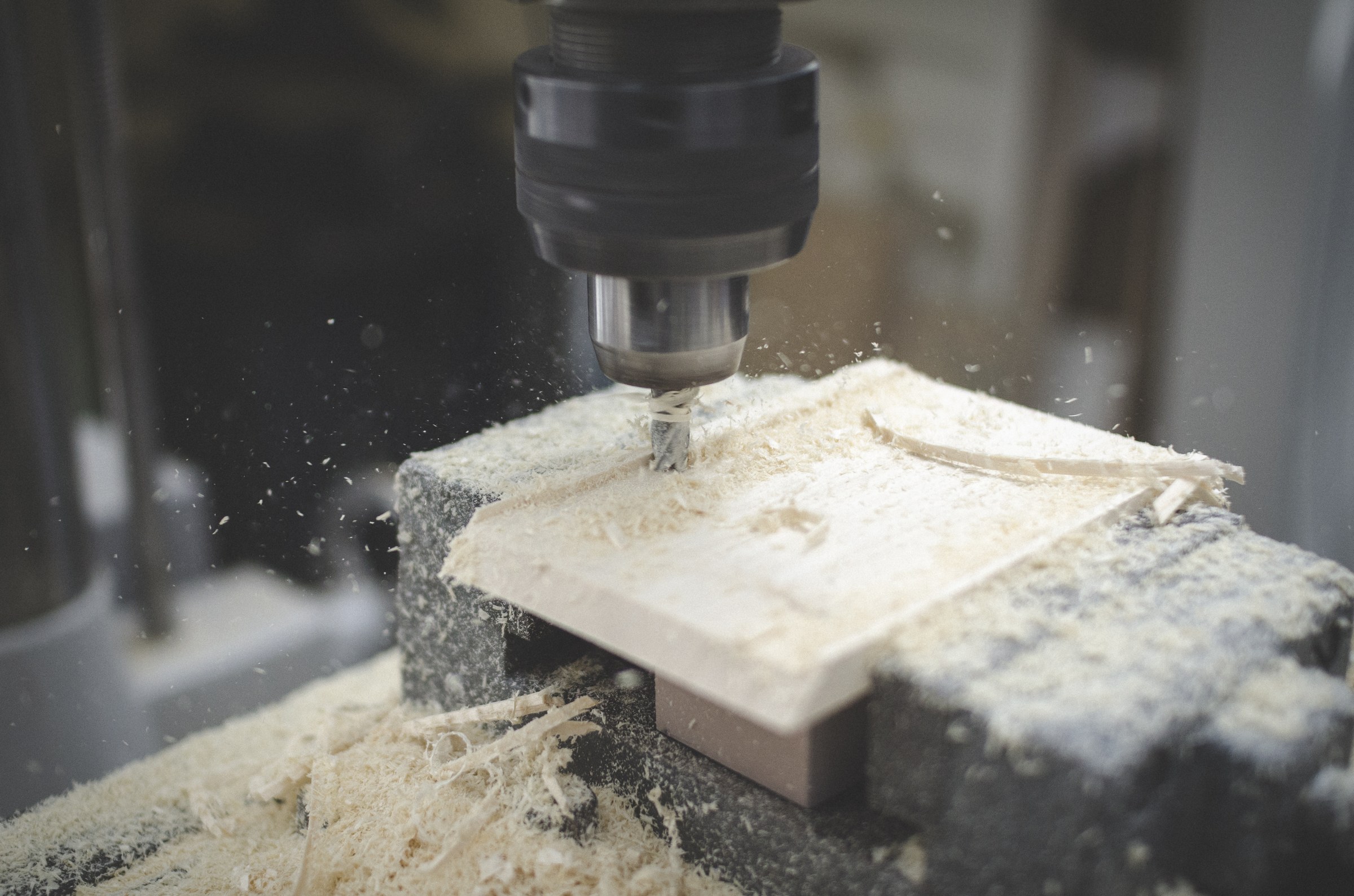
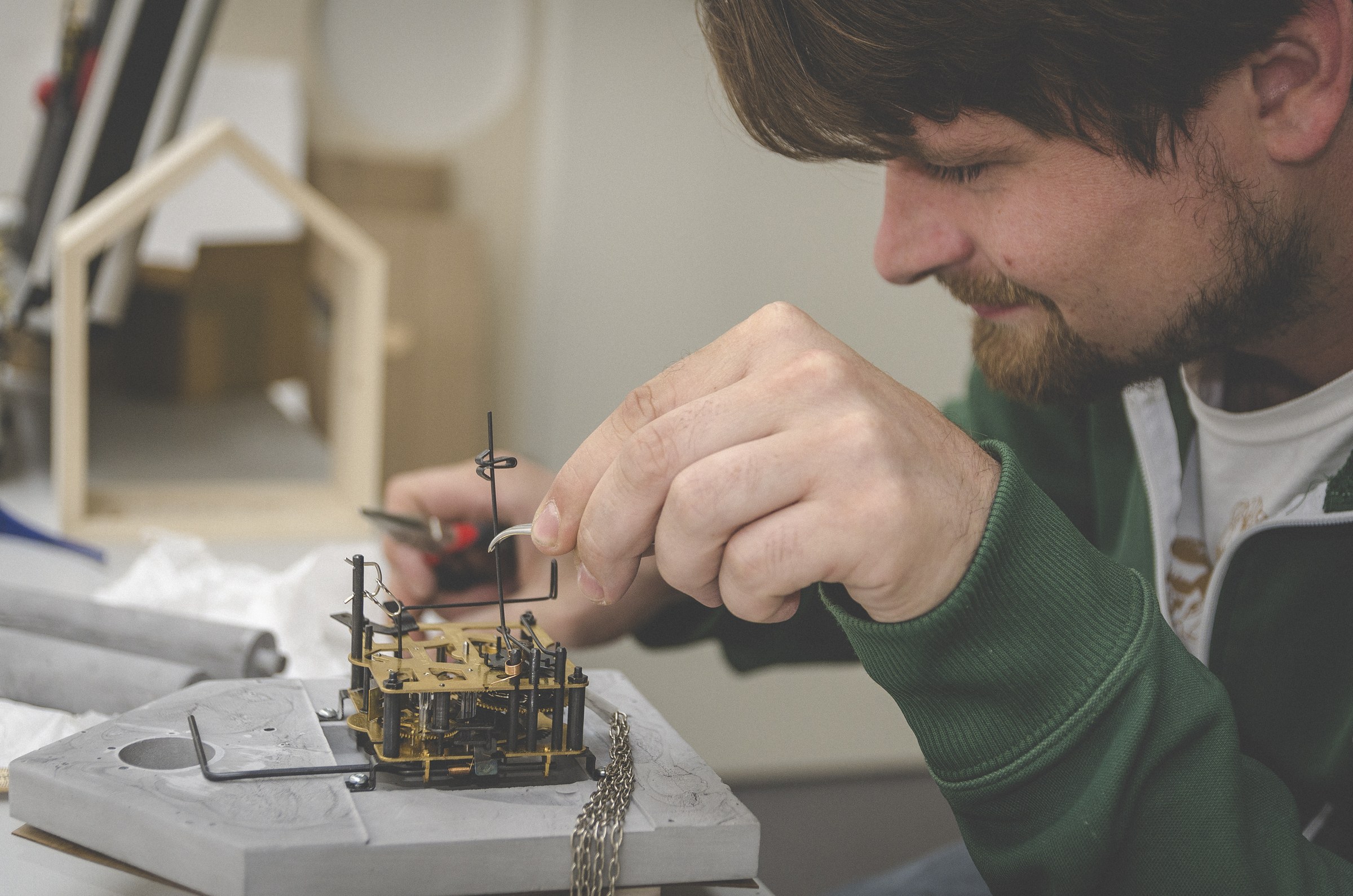
Moritz Schmidt’s cuckoo clock became a way to show the whole chain: who designed it, who made it, where it came from and how someone might discover it. The object was real; the marketplace around it was still a concept.
Show the people and the work behind an object, not only its price.

05 / SERIKAT
One concept. Two contexts.
Hand und Werk began as a large student project. In 2014 Tobias Lauer and I explored taking essentially the same small-series platform into a business as SERIKAT. Designers, craftspeople and buyers — and the idea of bringing them together — remained at its core.
-
Small series were the starting point.
Hand und Werk already proposed a platform where designers and craftspeople could develop limited runs together. The shop, app and magazine gave making, coordination and discovery their own places.
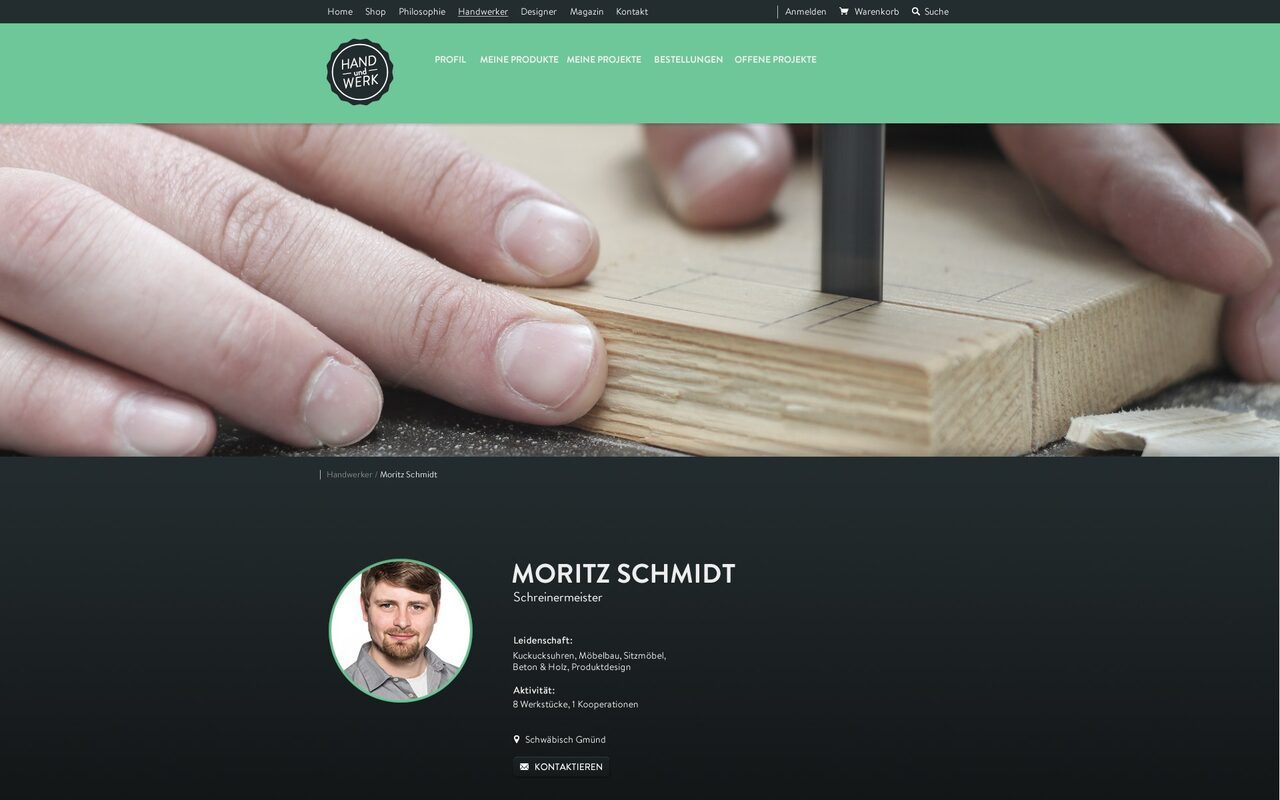
A maker profile in the Hand und Werk website design, 2013. · Original material
-
The student project as a possible venture.
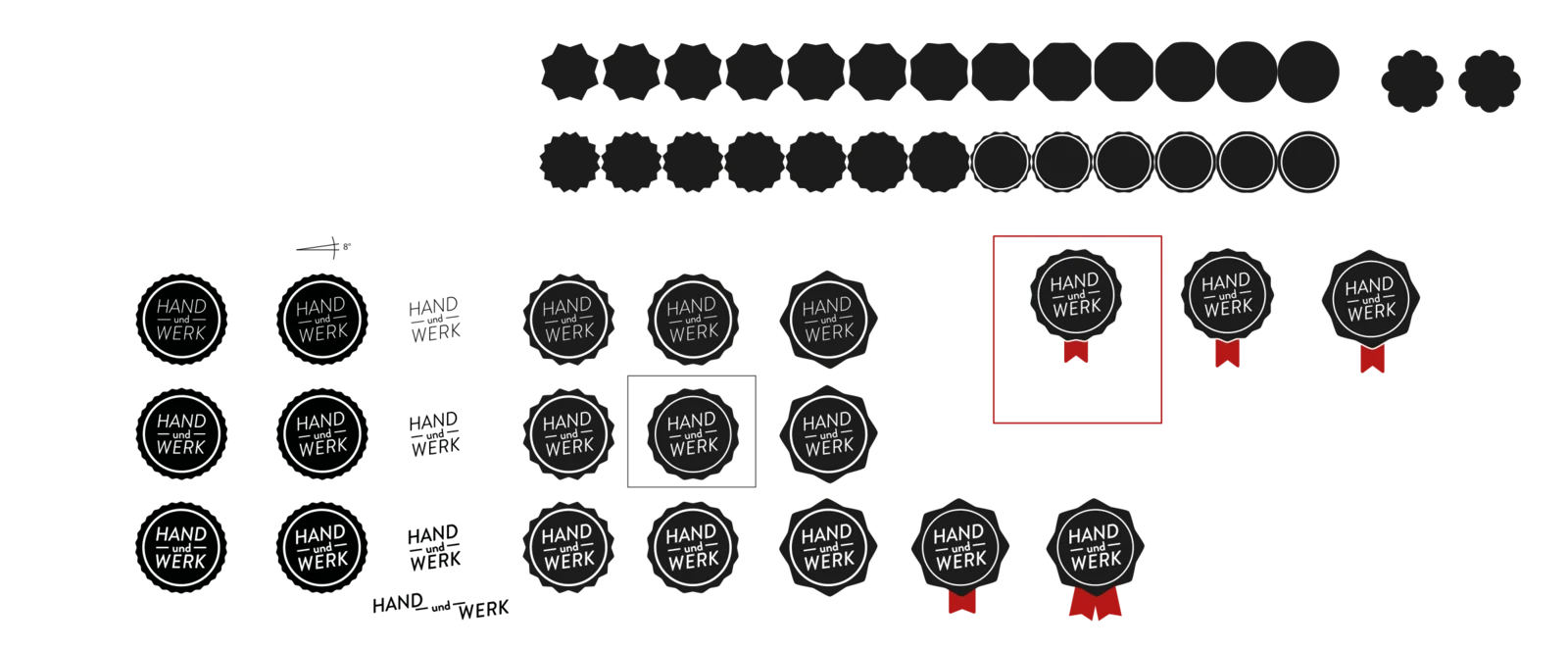
SERIKAT joined seriell and Unikat — a series with the character of a one-off. We gave the existing platform concept a new identity, a site and a business pitch.
SERIKAT website design walkthrough, 2014, silent excerpt. · Original material
-
Making a small run viable.
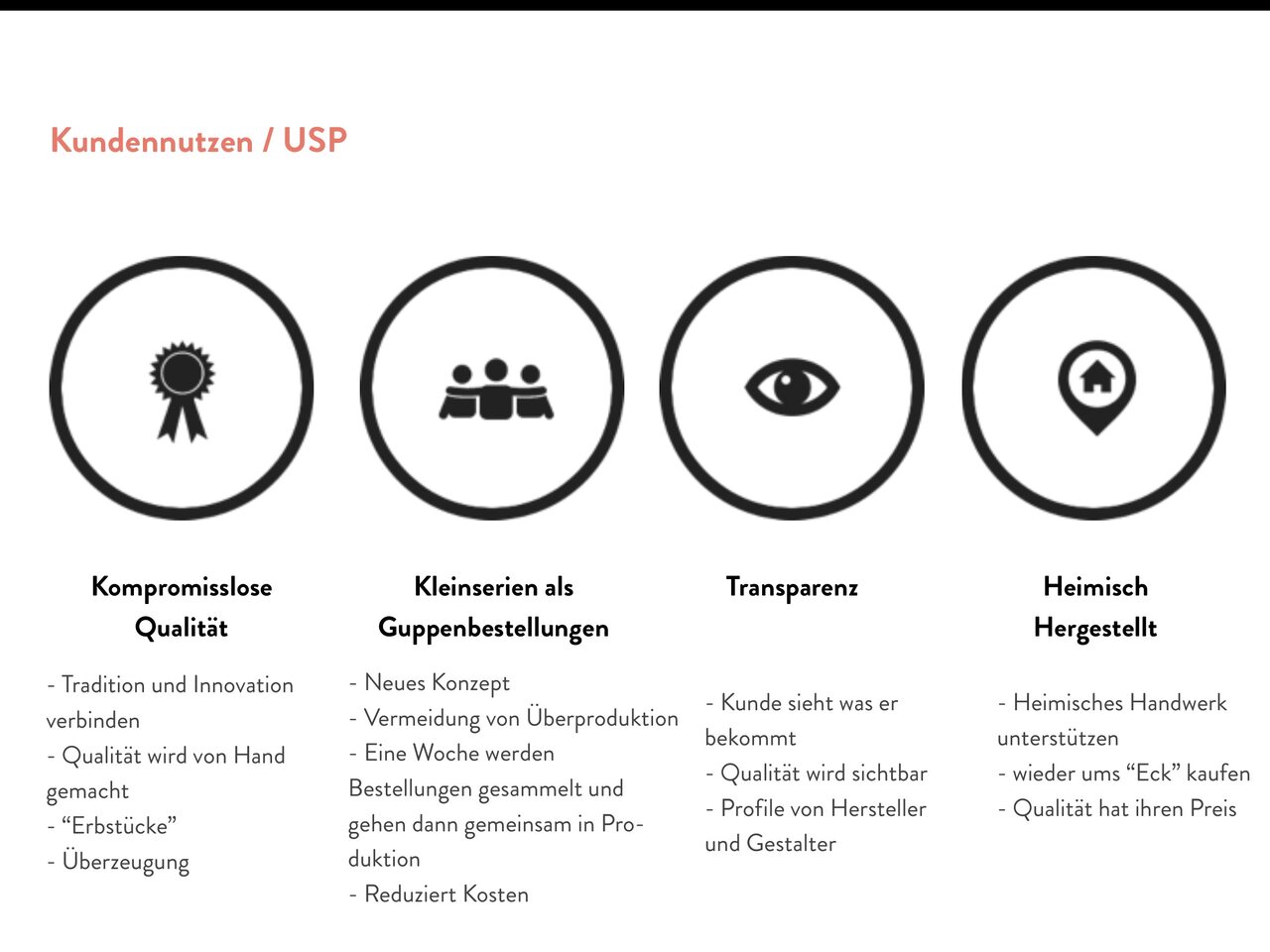
In the SERIKAT pitch, we described gathering buyer commitments before a workshop made a small batch. It made the existing platform idea more concrete as a business proposal. It was never a live ordering process.
The customer-benefit slide of the SERIKAT pitch deck, 2015. · Original material
- Present
A designer and a craftsperson put forward an object, with its materials, maker and process visible to buyers.
- Collect
Buyers would commit before the batch was made. Their combined orders would determine when a small production run could begin.
- Make
The craftsperson would make the agreed batch. The materials, workshop and process would remain part of each product story.
- Deliver
The finished objects would go from the maker to their buyers.
A new identity for the same conviction.
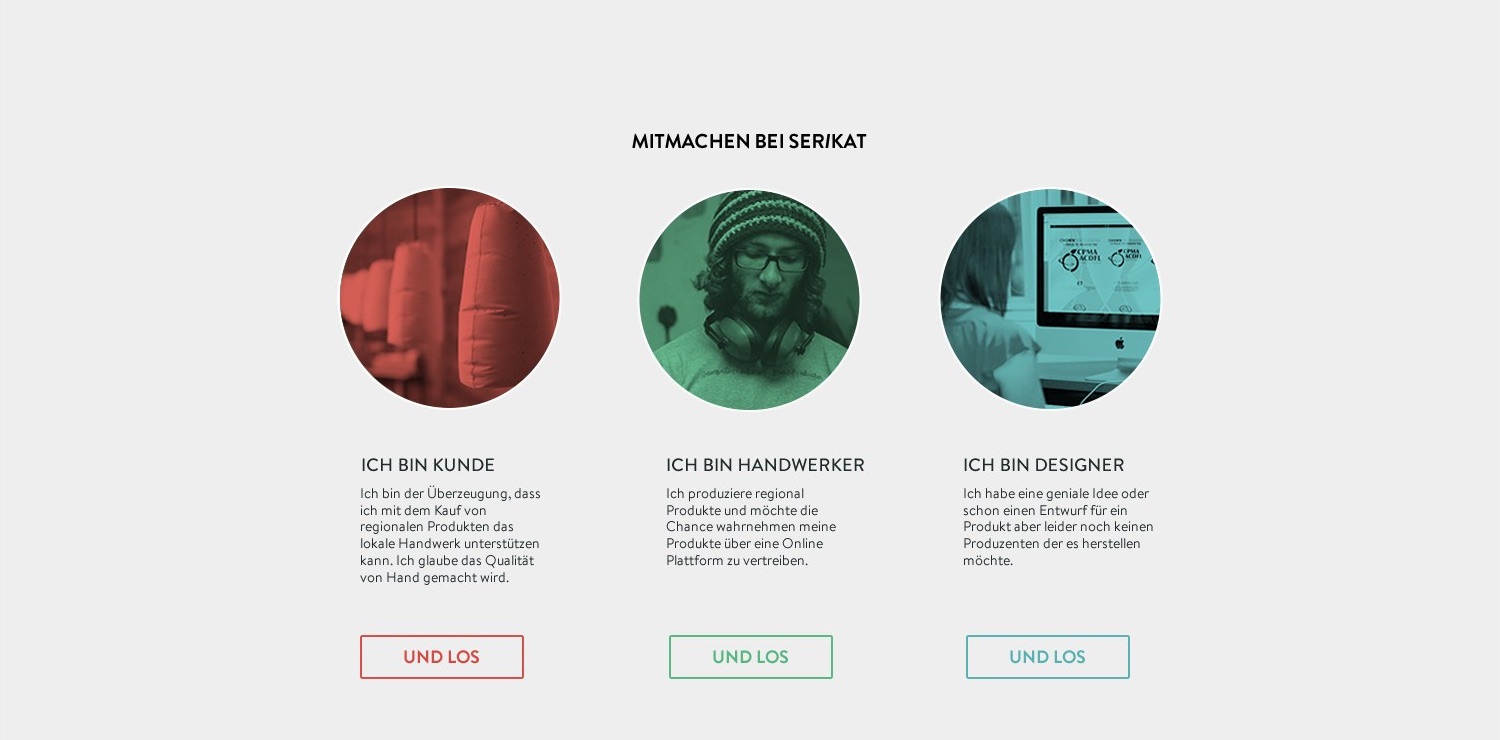
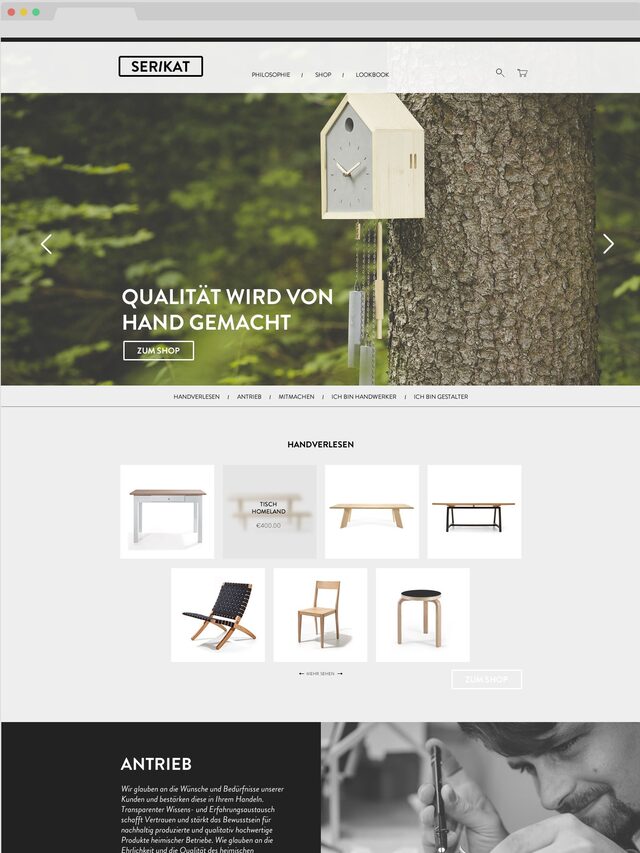
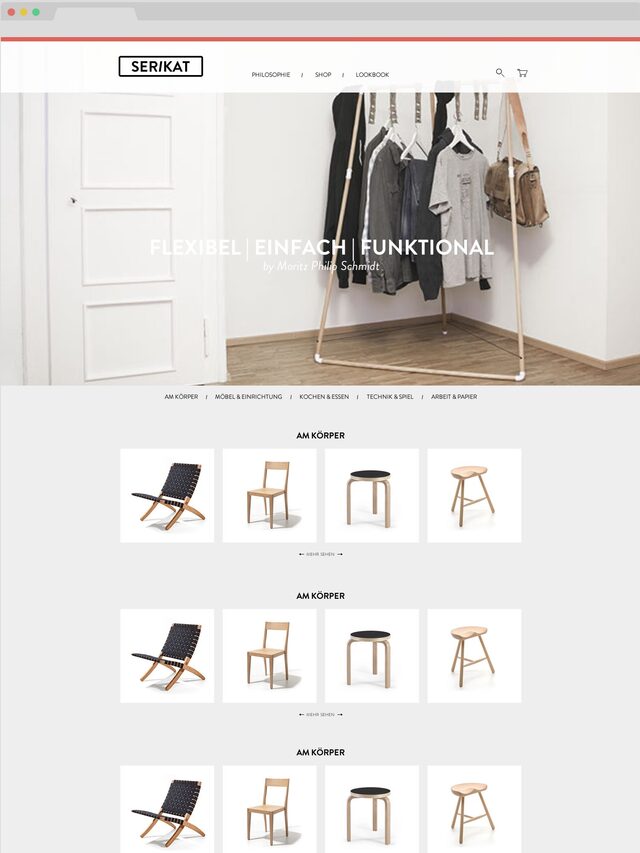
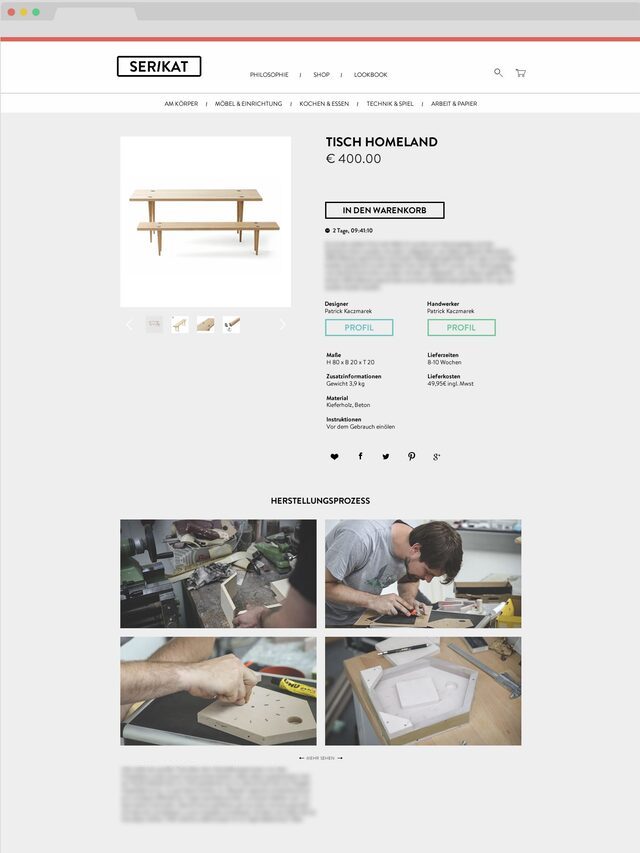
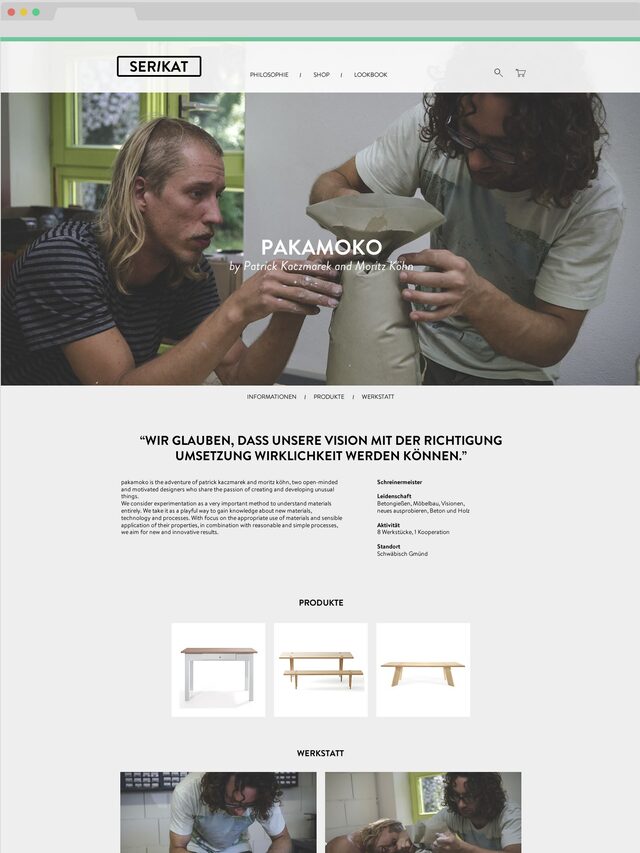
The 2014 site made the three participant groups visible and gave craft and product stories a stronger place. A pre-launch page went online; these screens and the film document the broader website design.
We gave buyers, craftspeople and designers their own routes into the service. The workshop invitation assumed that another sales channel would be attractive; our later recruitment experience challenged that assumption.
06 / What remains
Three sides had to arrive together.
We pitched SERIKAT at competitions and to investors and worked with Aalen University on market questions. The marketplace was never funded or launched.
Reflection
The platform only worked if designers, makers and buyers all joined, and many of the workshops we had in mind were already fully booked. What I would do differently: test why each group would join before the others are there, before designing brand and screens.
- Hand und Werk, 2013
- Anika Flessner, Tobias Lauer, Martha Miosga, Timo Röhrig, Moritz Schmidt, Ralph Strehlow, Dominik Witzke, Shu Yang · HfG Schwäbisch Gmünd
- Supervision
- Prof. Dr. Susanne Schade, Prof. Jens Döring, Thomas Schönweitz
- Magazine
- Anika Flessner and Dominik Witzke
- SERIKAT
- Co-founded by Tobias Lauer and Dominik Witzke, with Daniel Glück and Moritz Schmidt · further contributors helped with the pitches
- Market consulting
- Daniel Glück, Christoph Kröner, Andreas Lindenmeier · Aalen University, supervised by Prof. Dr. Arndt Borgmeier
- Material
- Original 2013–15 project material. Screens are designs and prototypes; no marketplace was operating.