MNEMO · Master’s thesis
A camera that remembers what moves you.
A memory system that captures moments the way the brain forms them — triggered by emotion, not by conscious decision.
- Role
- Concept, interaction and product design
- Timeframe
- 2014
- Context
- Master’s thesis, HfG Schwäbisch Gmünd · with Martha Miosga
- Status
- First place, Zukunftspreis Kommunikation 2014
01 / Starting point
Why do we forget the moments we photograph?
In 2014, the number of photos people took exploded — and at the same time their value fell. We photographed more and remembered less. Psychology describes the effect: when we take a photo, we outsource remembering to the device.
The brain works differently. It does not store what we want to keep, but what moves us. Emotional moments are consolidated into memories; neutral ones fade.
Martha Miosga and I developed MNEMO as our joint master’s thesis; I focused on the interface and the Hexagon Navigator. It started from one question: can a camera system remember the way a person does? Not recording everything (lifelogging), not triggering deliberately (photography) — but capturing exactly when emotion arises.
02 / Research
How do memories form — and what triggers them?
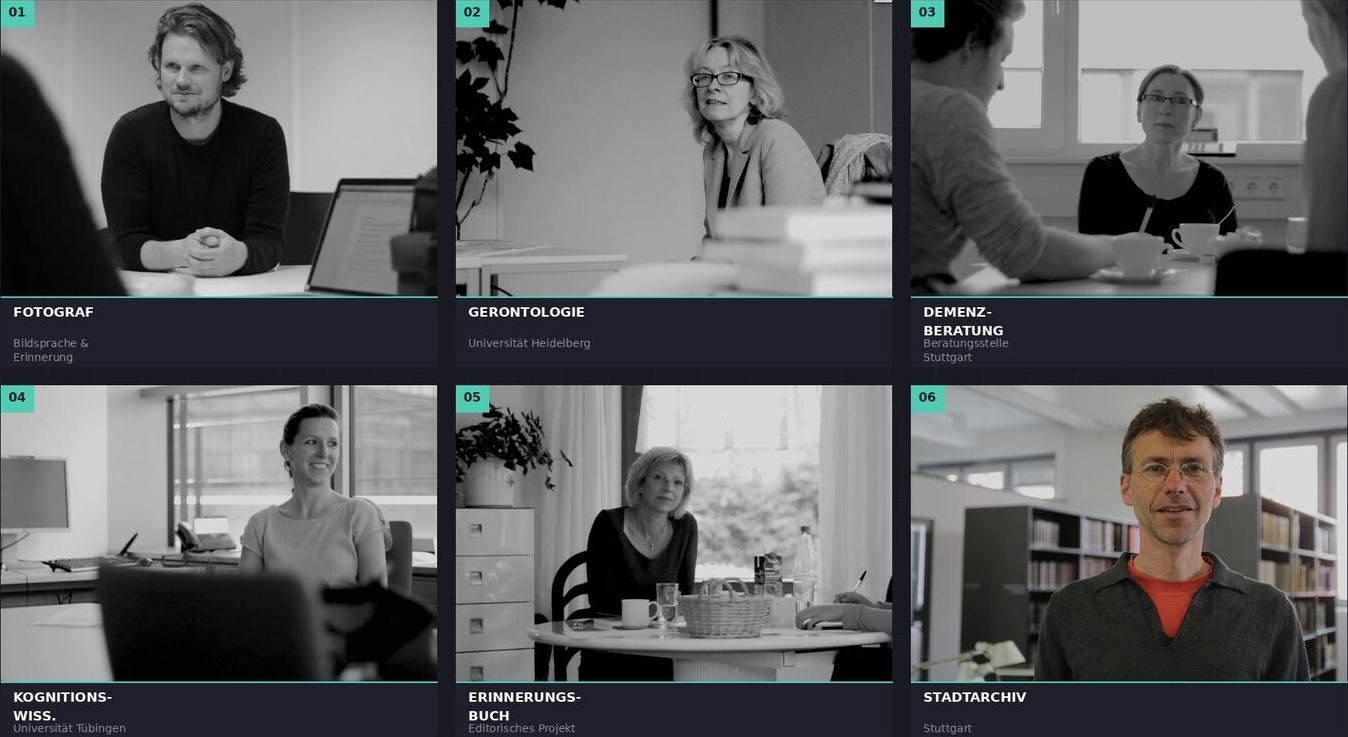
Before designing anything, we wanted to understand the phenomenon: cognitive science and the psychology of memory formation, dementia research, the photography market. Then we tested that knowledge against practice — six experts whose job is remembering, and a quantitative survey with 192 participants on memory cues and emotional triggers.

- A day on a strip
We wore two lifelogging cameras until the end of the project. One day alone produced more than 1,600 pictures, which we printed on a strip.
- Sorted by hand
By place and event: irrelevant shots out, emotional ones kept as stand-ins for the rest.
- About 15 % were enough
Around 240 pictures were enough to relive the whole day.
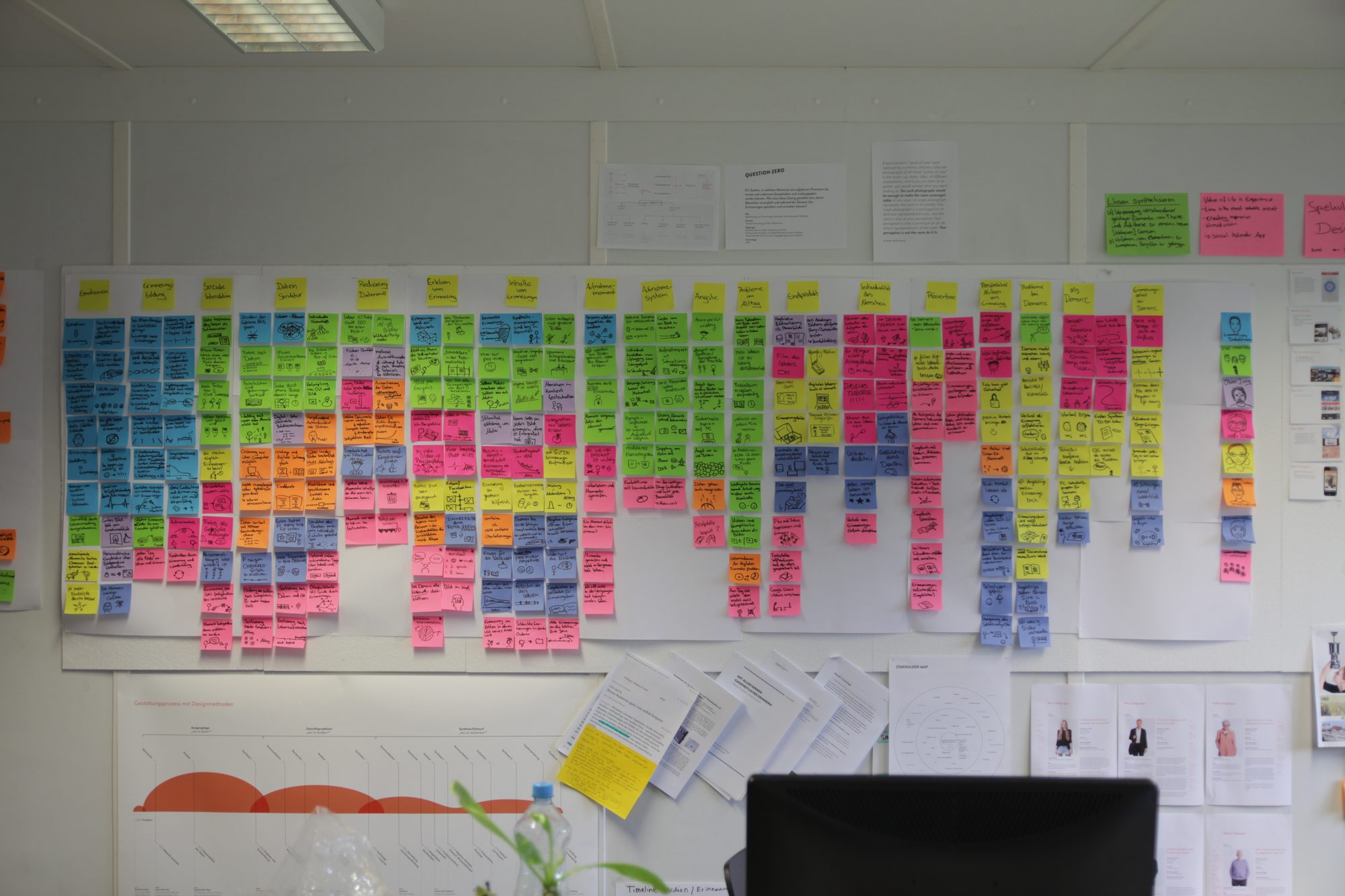
Emotion decides what stays — not intention. A memory system therefore must not ask whether to record; it has to feel when. The synthesis produced three theses and sixteen design principles, among them recording without interrupting the moment, reliving instead of managing, and full control for wearers over their own data, the principle that later earned the project the Zukunftspreis.
03 / Concept
What does a camera look like that feels rather than asks?
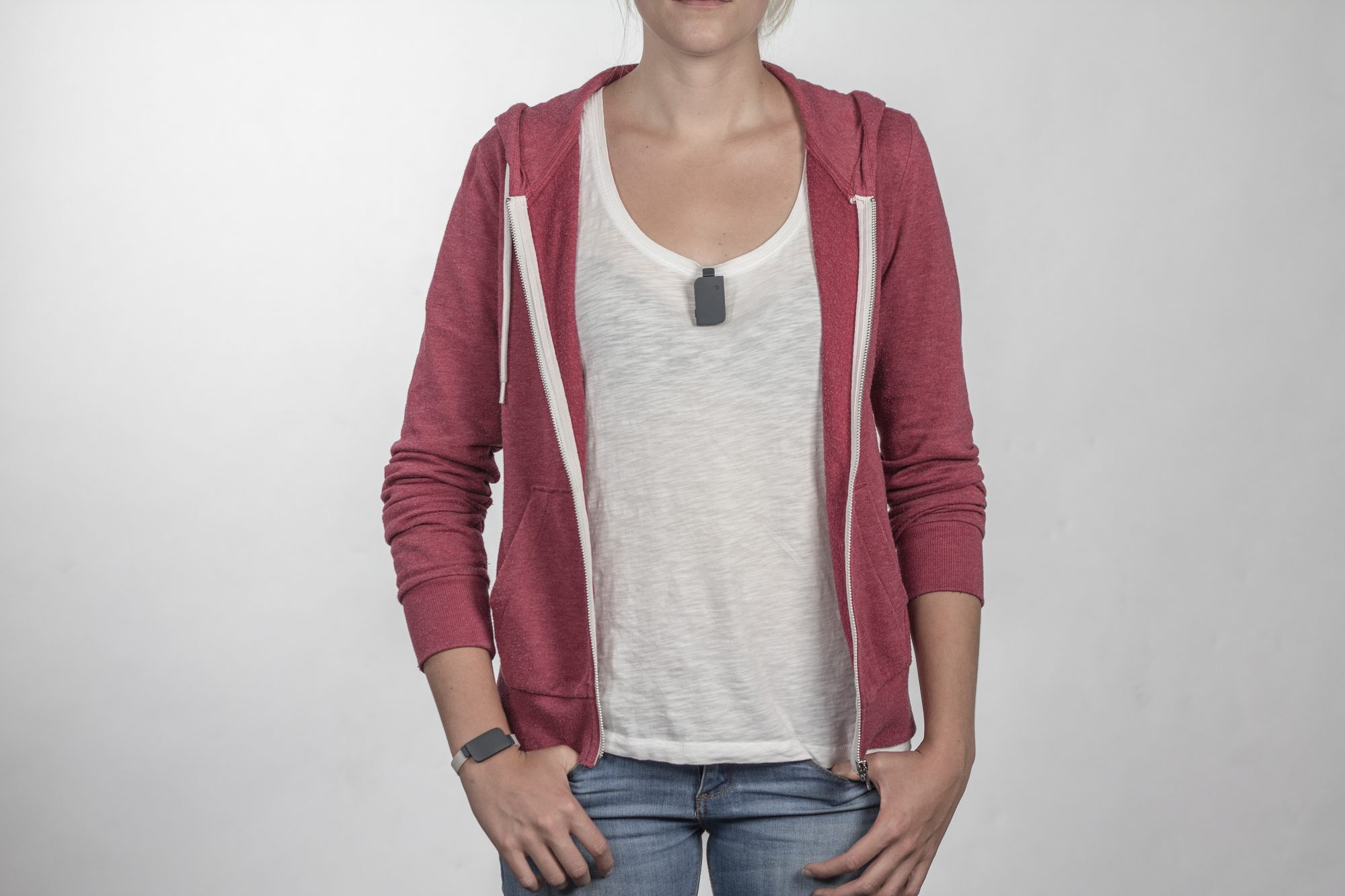
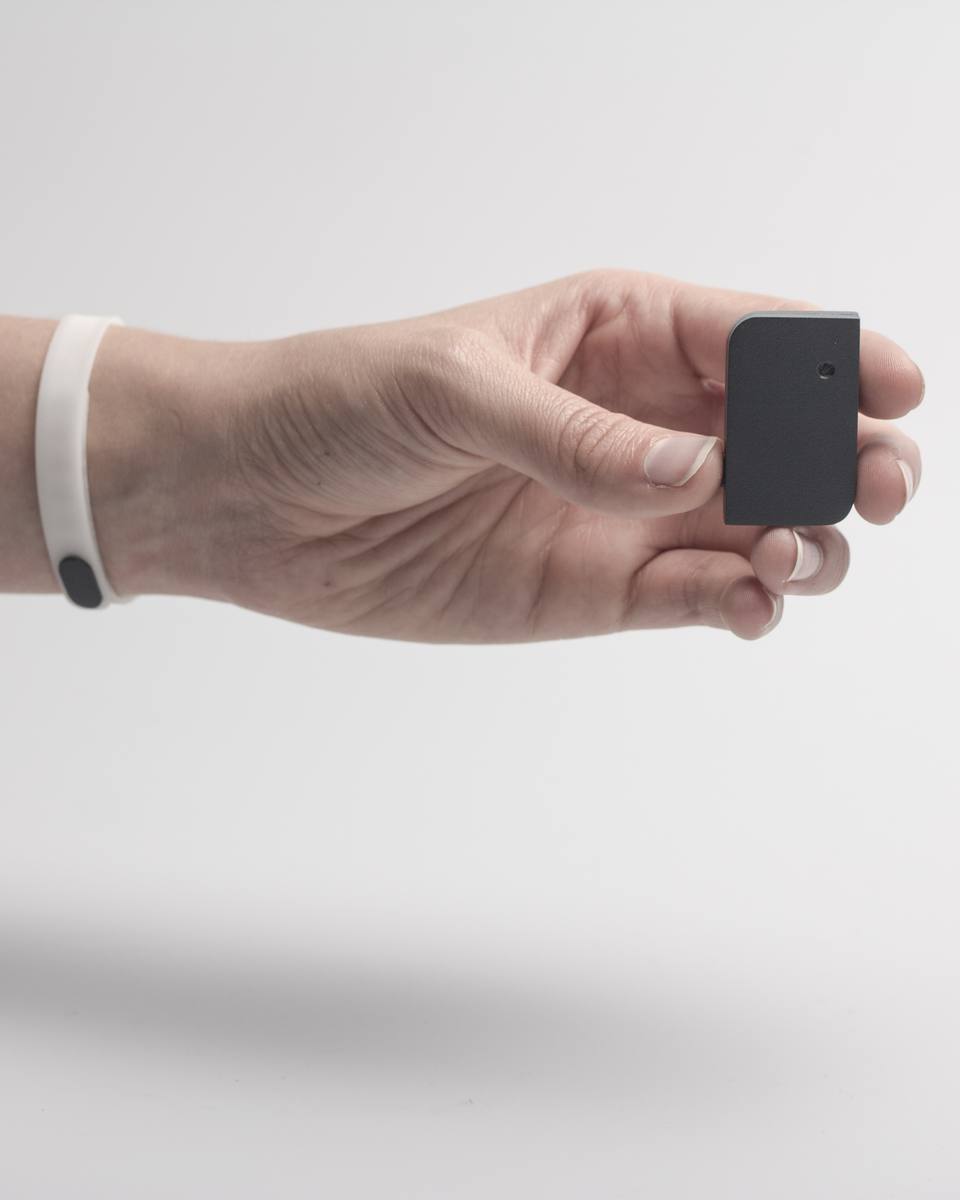
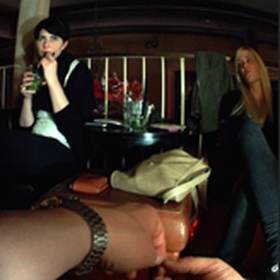
The answer is a system in three parts: a sensor wristband measures the physiological patterns of emotions — pulse, heart rate, skin conductance, skin temperature. When it registers a change, a wirelessly connected clip-on camera automatically records a short video. The software links everything into a memory network you can explore.
-
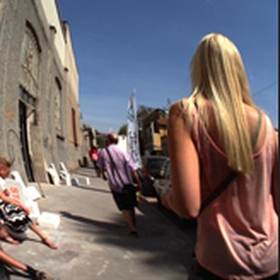
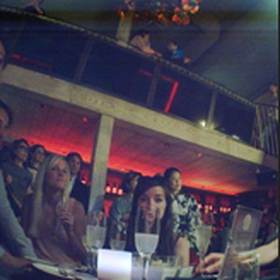
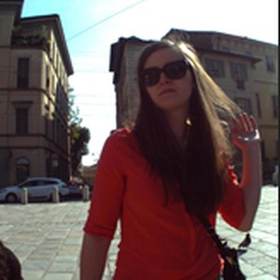
Wear it
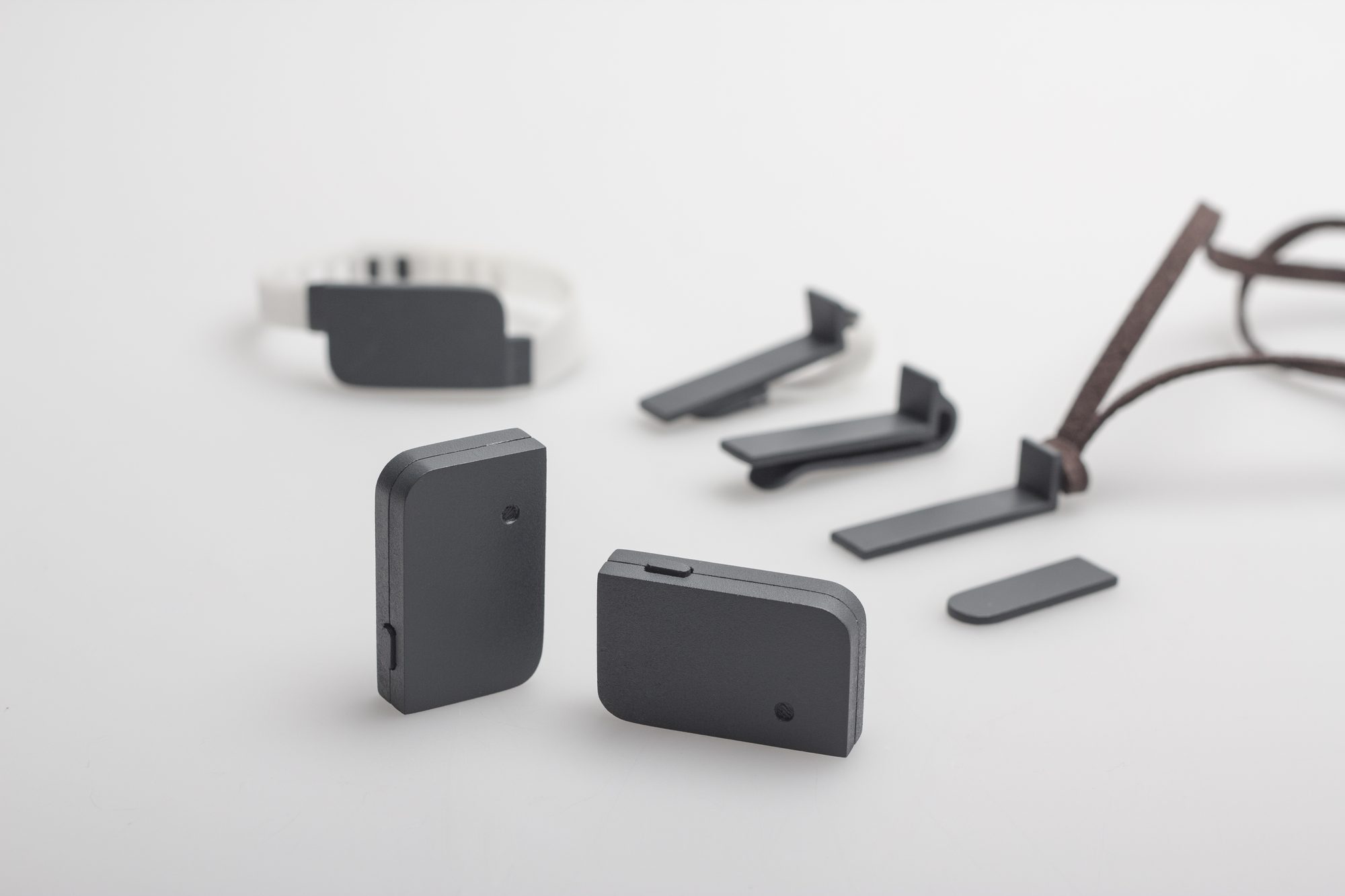
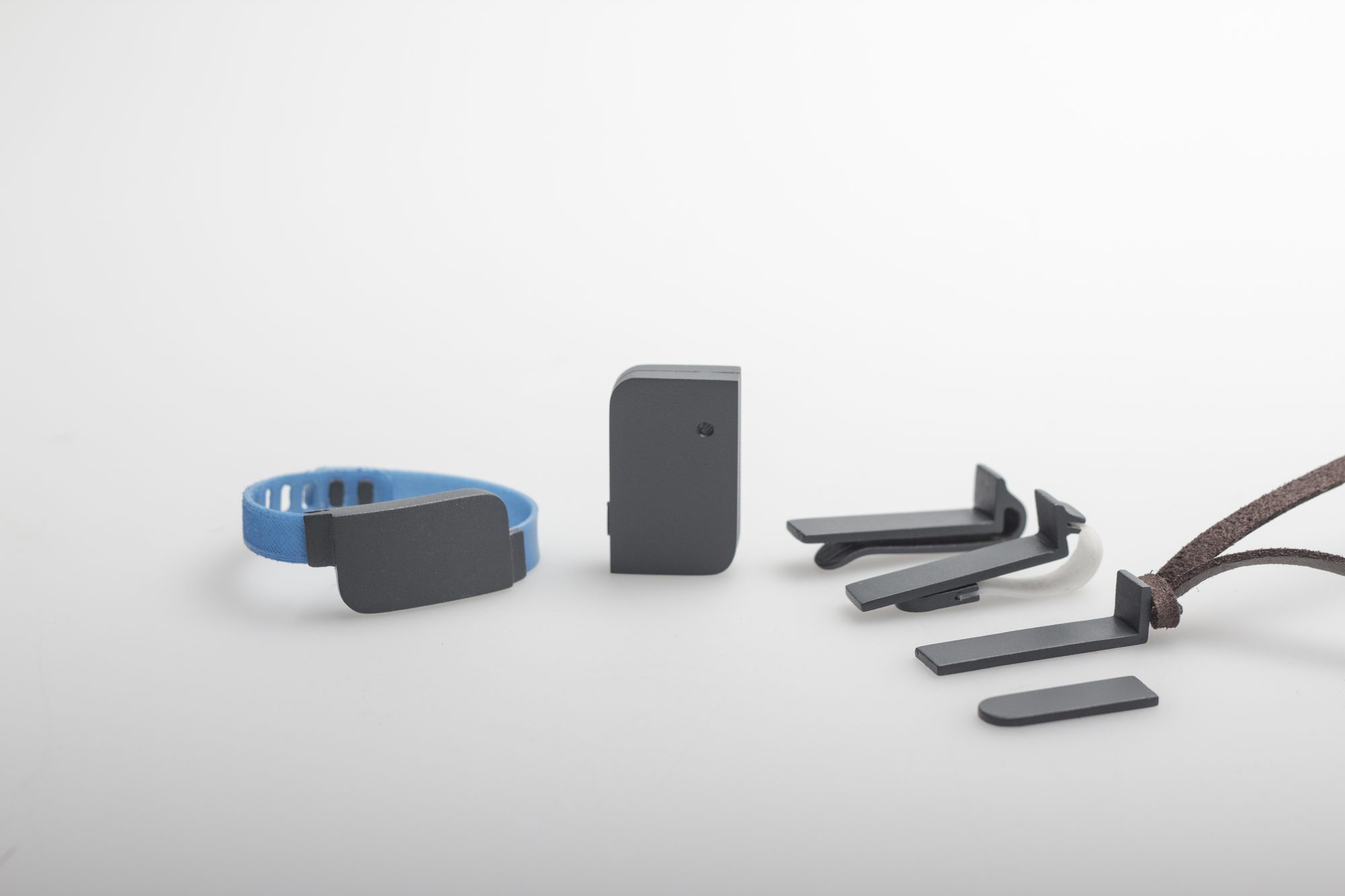
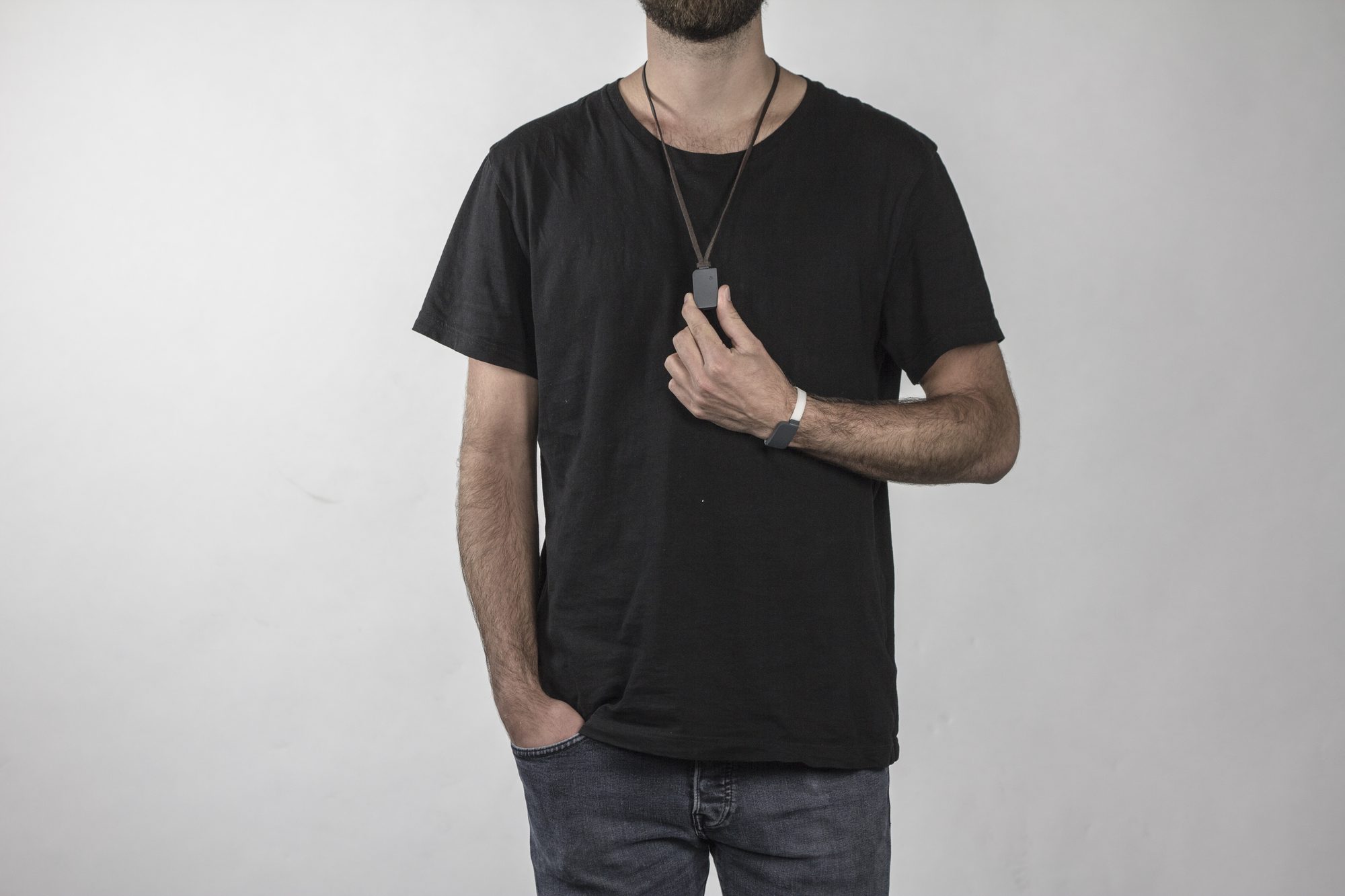
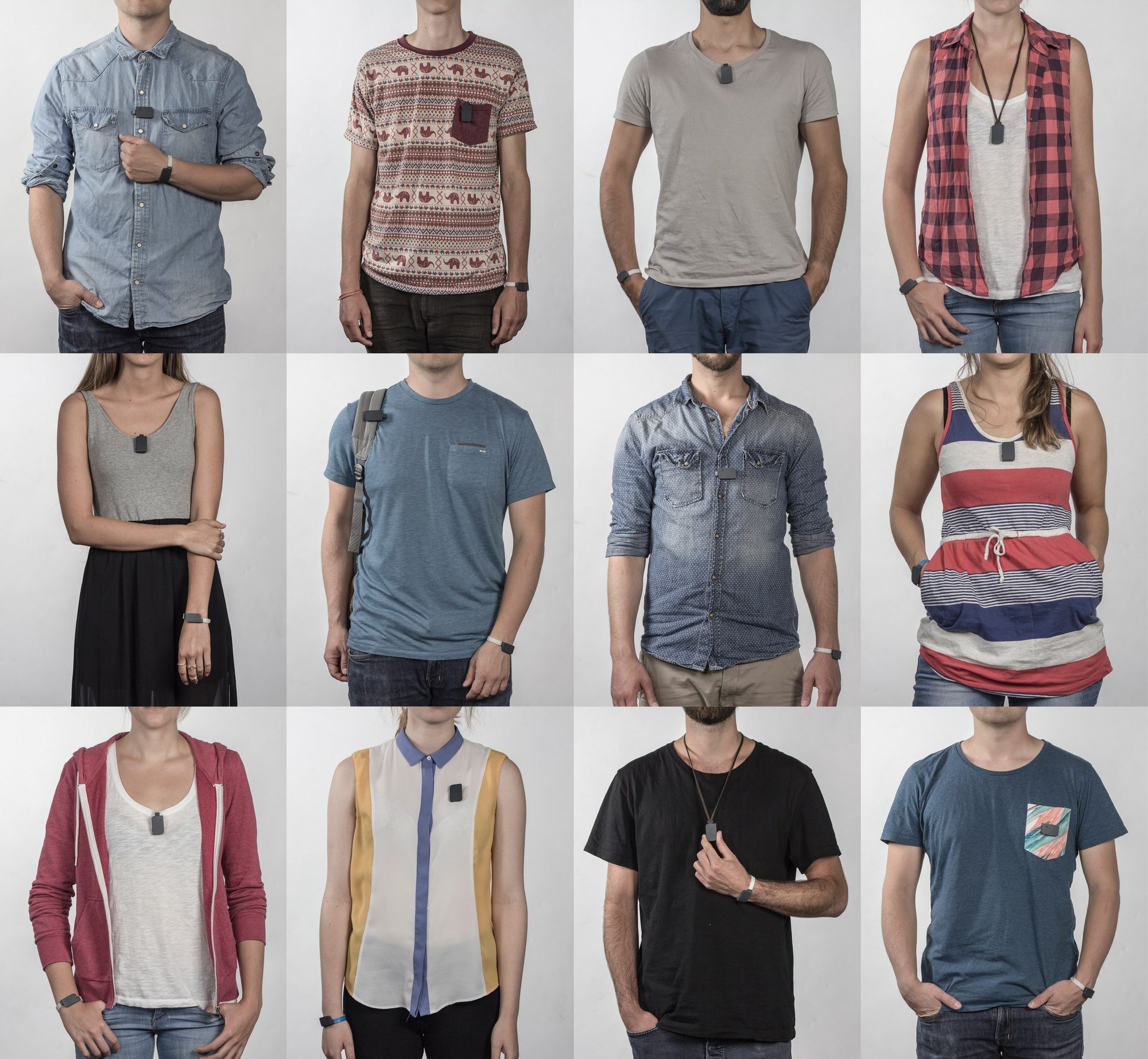
The sensor wristband measures pulse, heart rate, skin conductance and skin temperature, continuously. The camera sits on a clip, a necklace or a counter-magnet.
From our film, 2014. · Original material
-
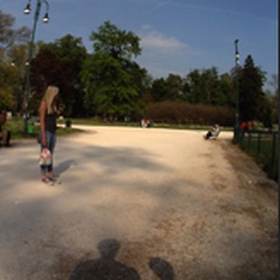
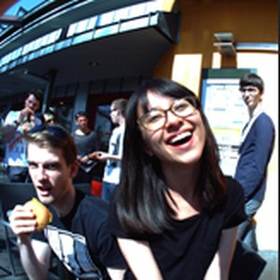
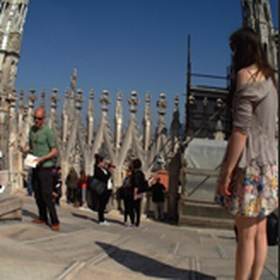
A moment moves you
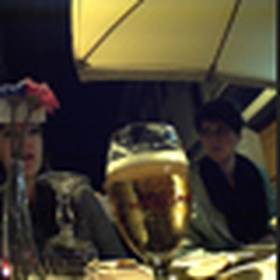
When the wristband detects a change in emotion, it signals the wirelessly connected camera.
From our film, 2014. · Original material
-
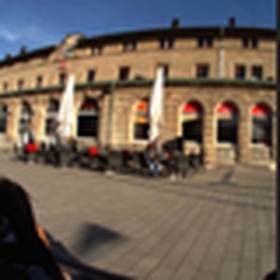
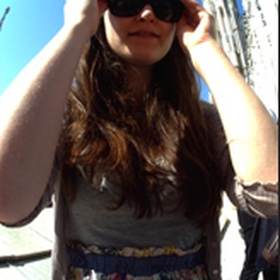
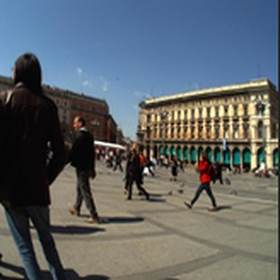
Three seconds
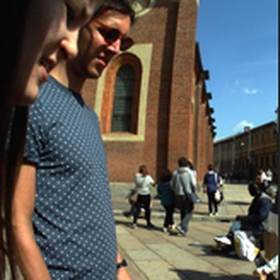
The clip-on camera records three seconds of video. Afterwards it slows down, to one picture every 30 seconds in everyday life.
The camera’s view, as staged in our film, 2014. · Original material
-
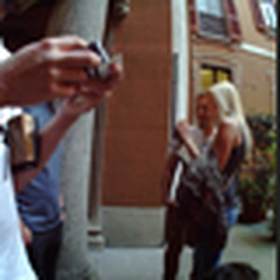
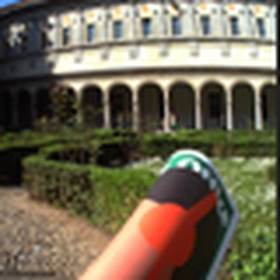
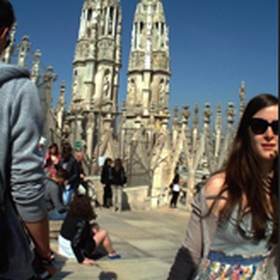
Explore
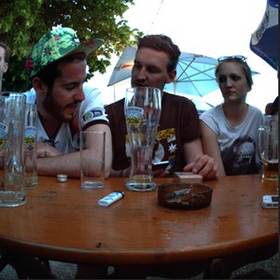
Docked, the camera transfers its recordings. The software links every moment by place, person, time and emotion into a network you can explore.
From our film, 2014. · Original material
Three seconds of video — no more. The length matches the rhythm in which the brain processes information into units of memory; longer would be surveillance, shorter just a photo. It was also the most important privacy decision: MNEMO documents moments, not sequences of events. Anyone who wants to take a photo deliberately simply releases the camera from its magnetic mount; automation never replaces intent, it complements it.
04 / Product
A wearable you forget about — until the moment comes.
The hardware took shape through form iterations in Rhino 3D — magnetic mechanism, material studies, wearing comfort. Magnetic mounts — two clips, a necklace and a counter-magnet — let the technology adapt to everyday life, not the other way round. A device that remembers must not draw attention to itself.
05 / Interface
How do you navigate feelings?
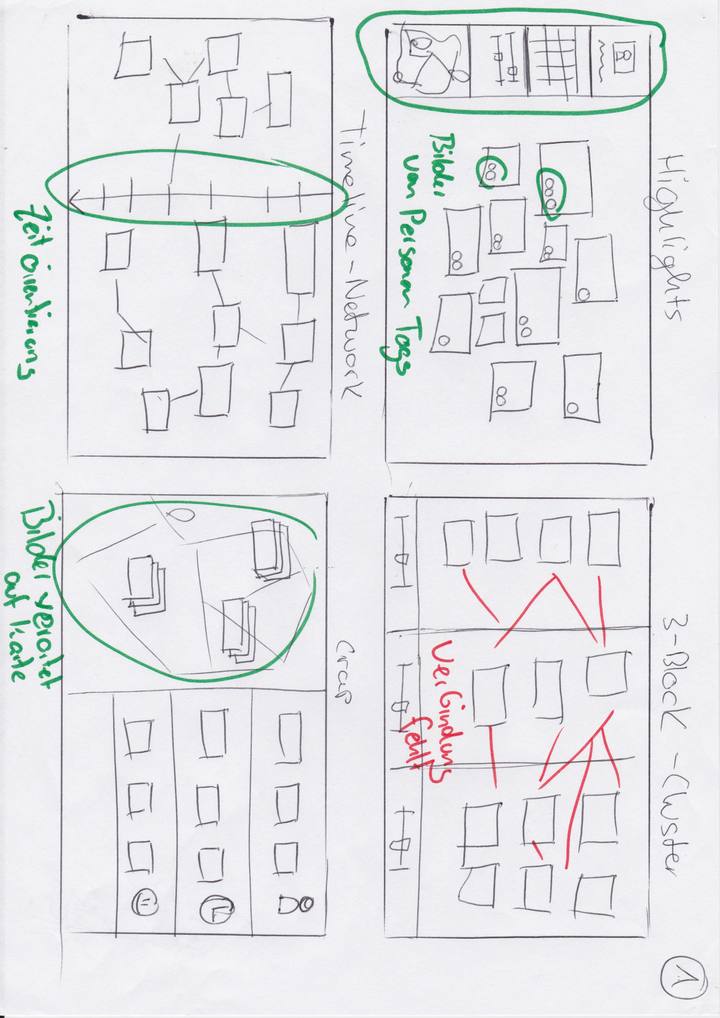
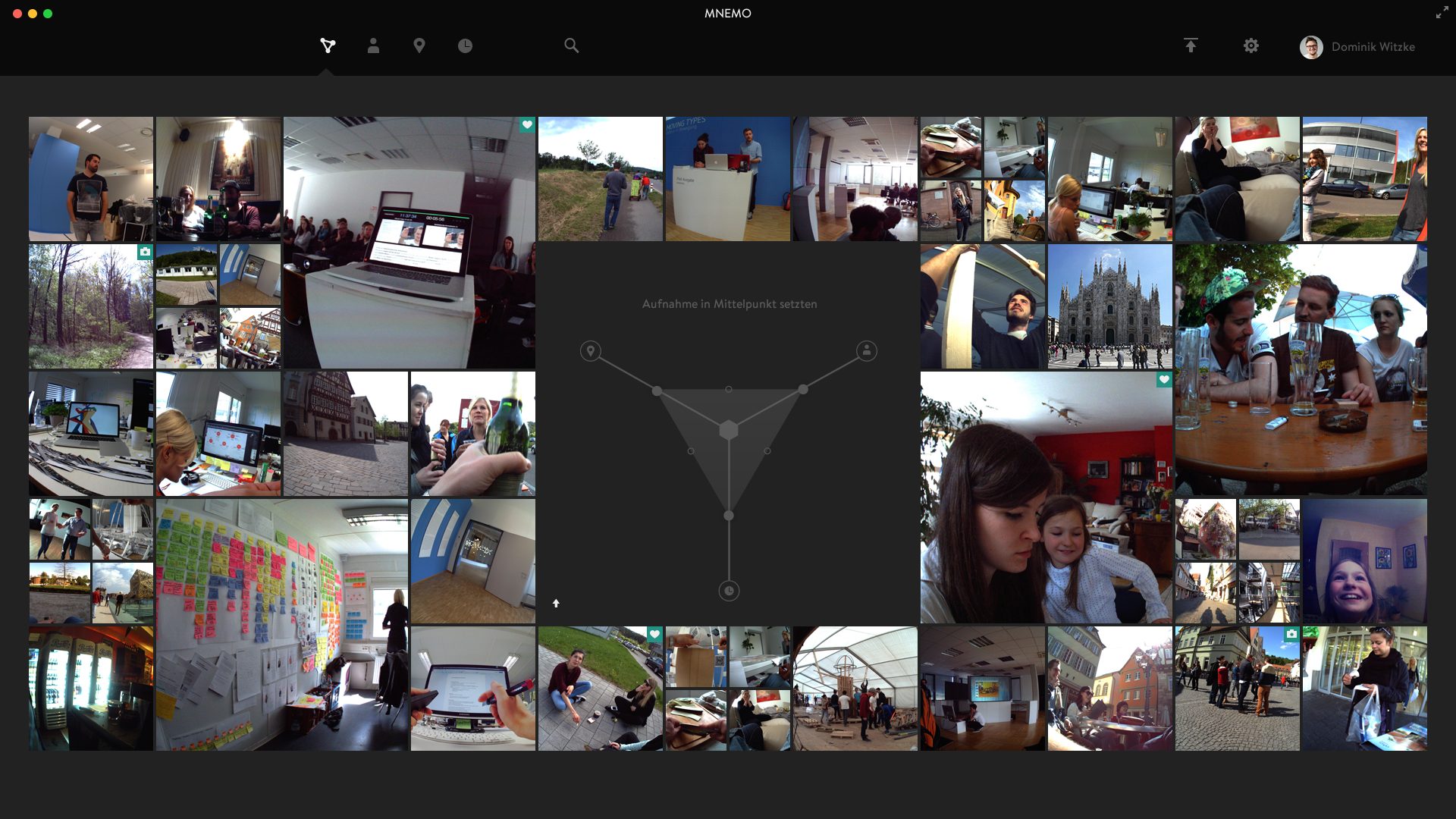
Folders and timelines organise files — but memories work by association. The software links every recording with place, time, people and emotion into a network. The question was: how do you make that network tangible without it turning into a database?
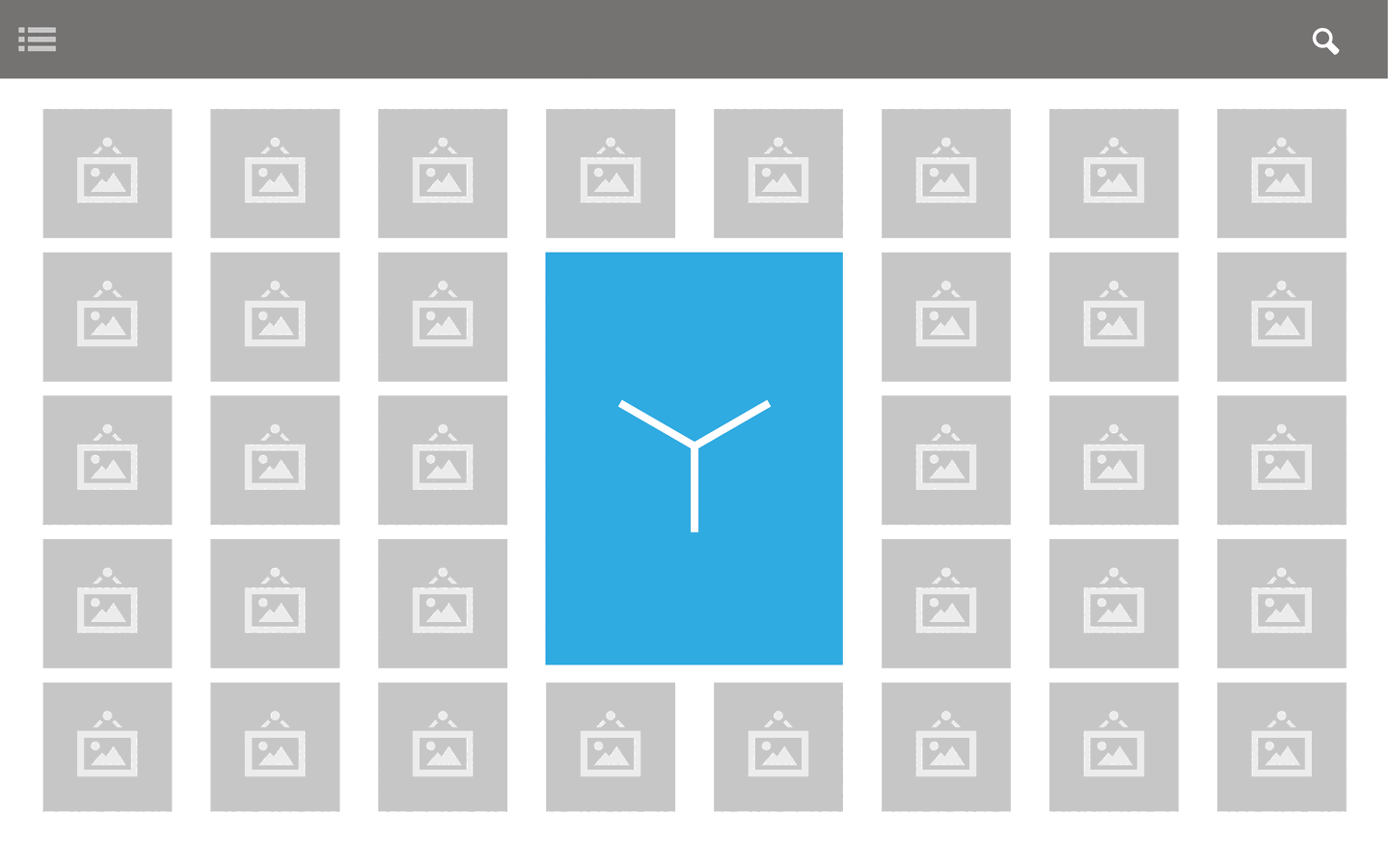
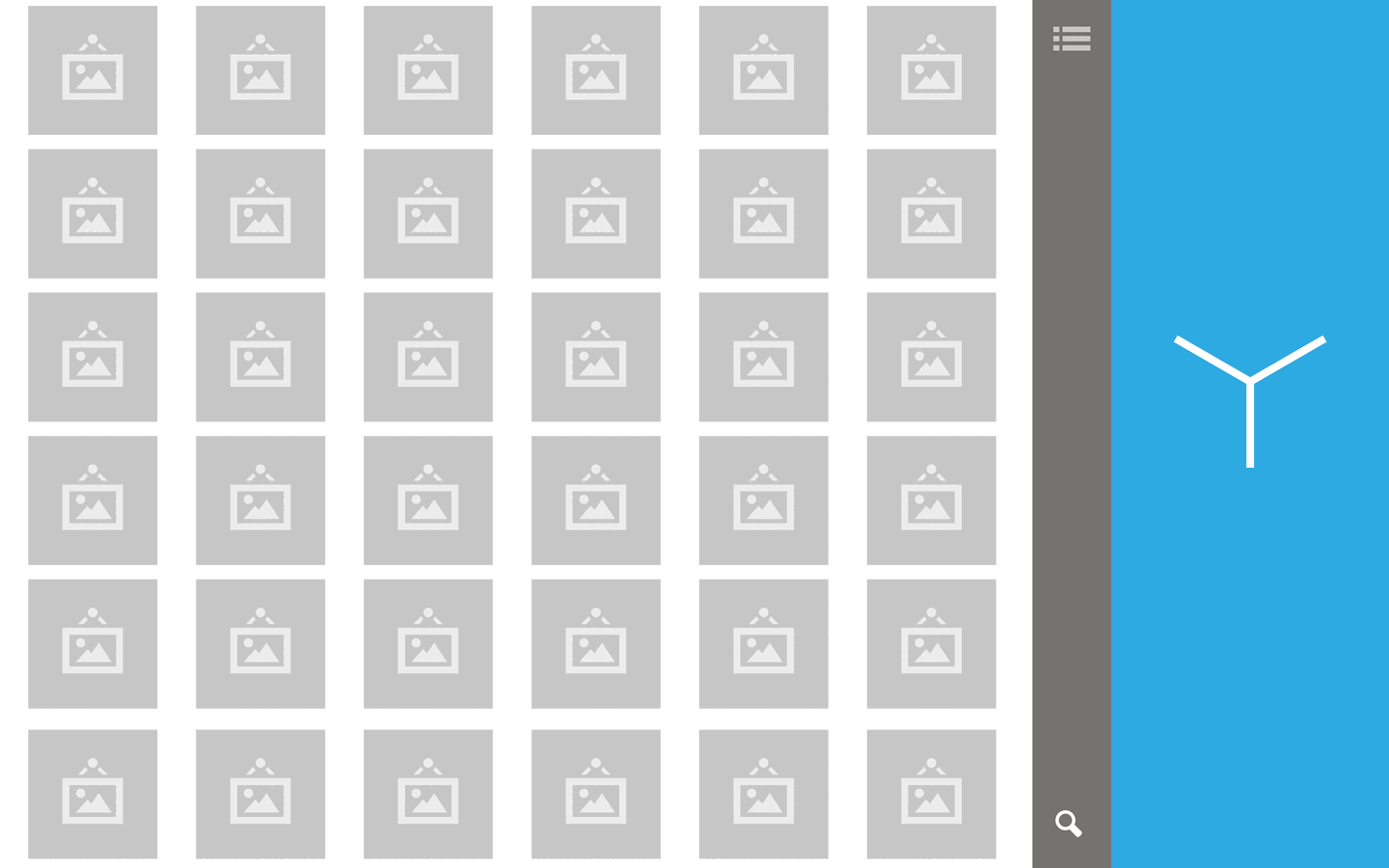
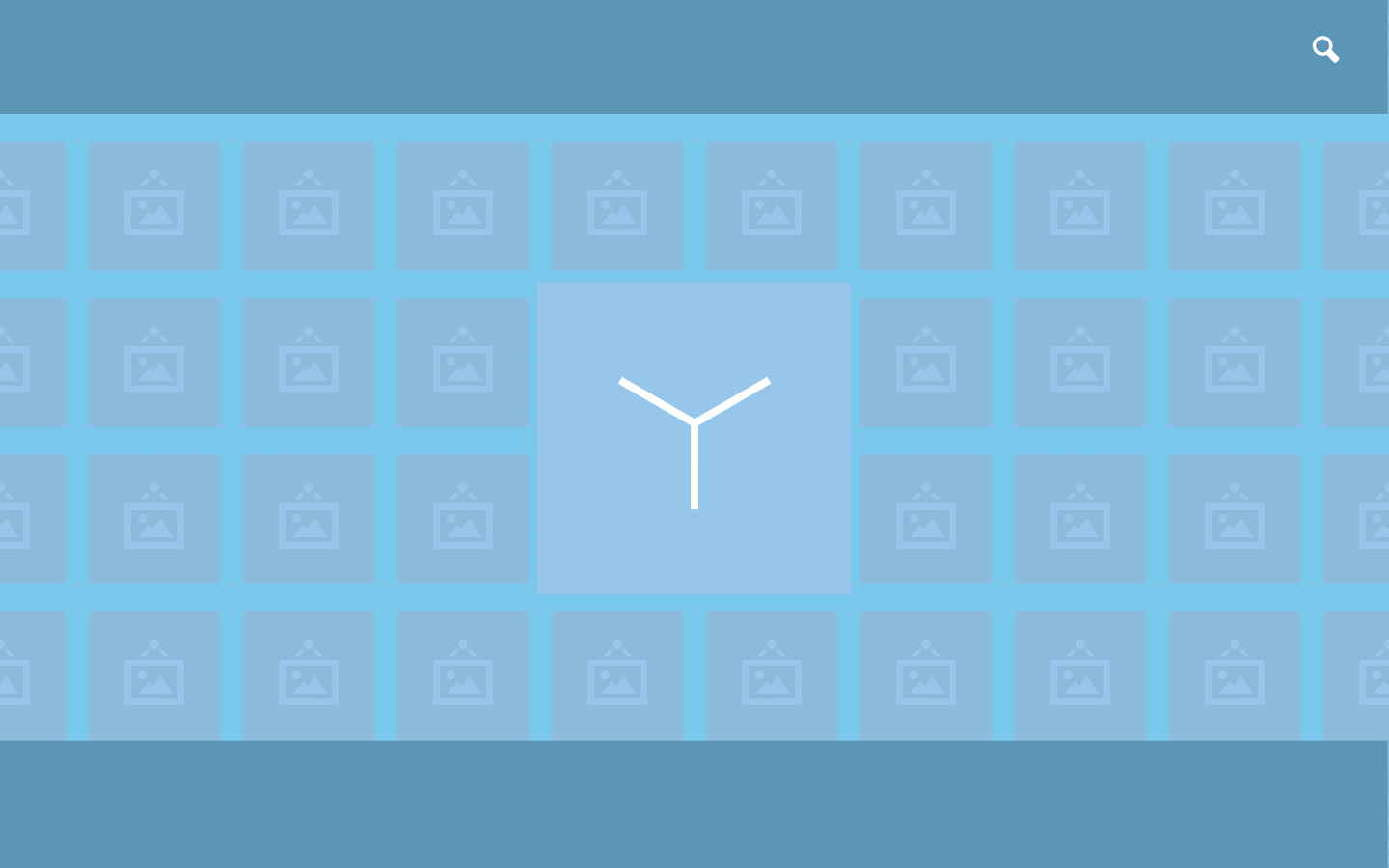
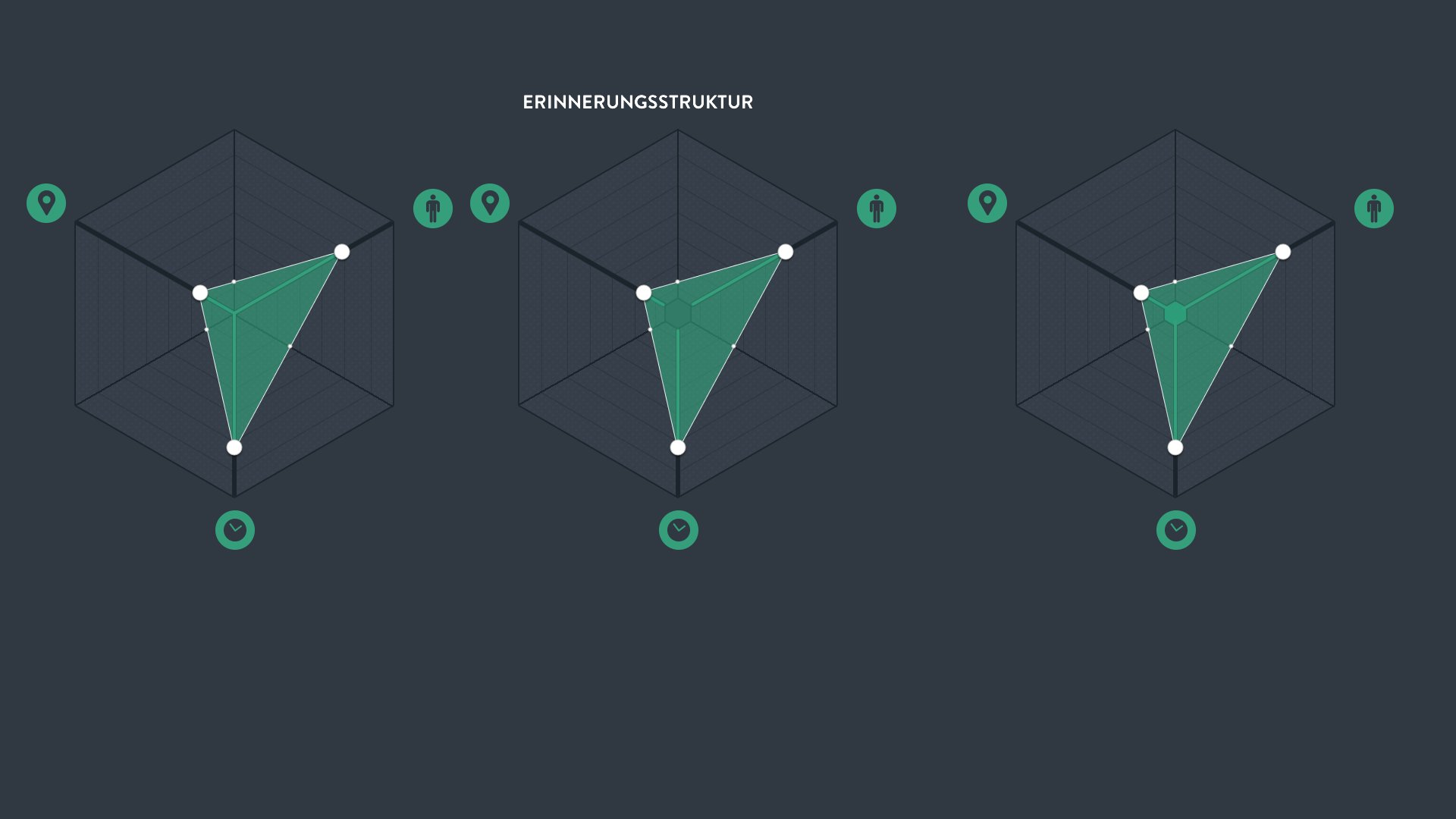
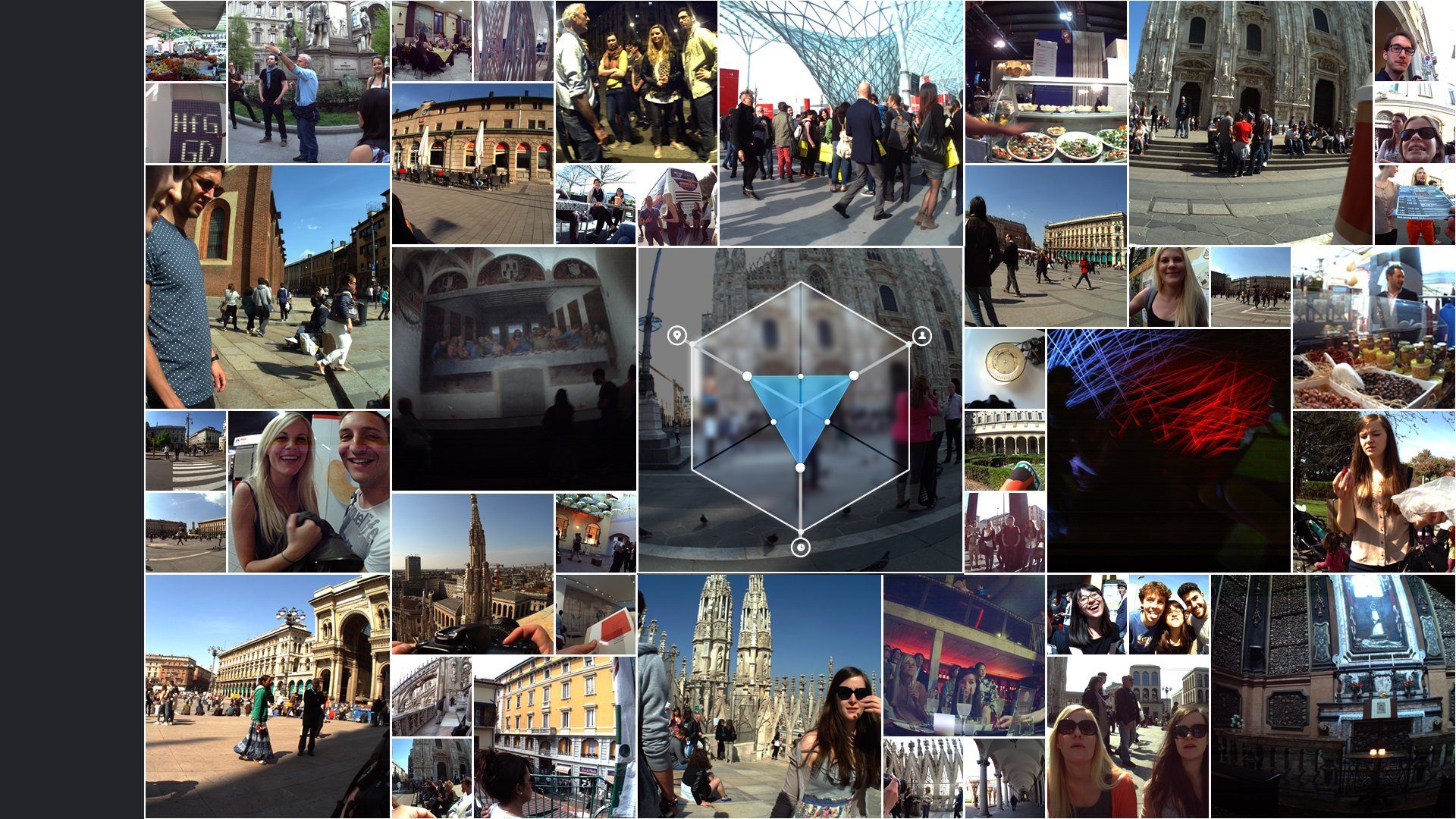
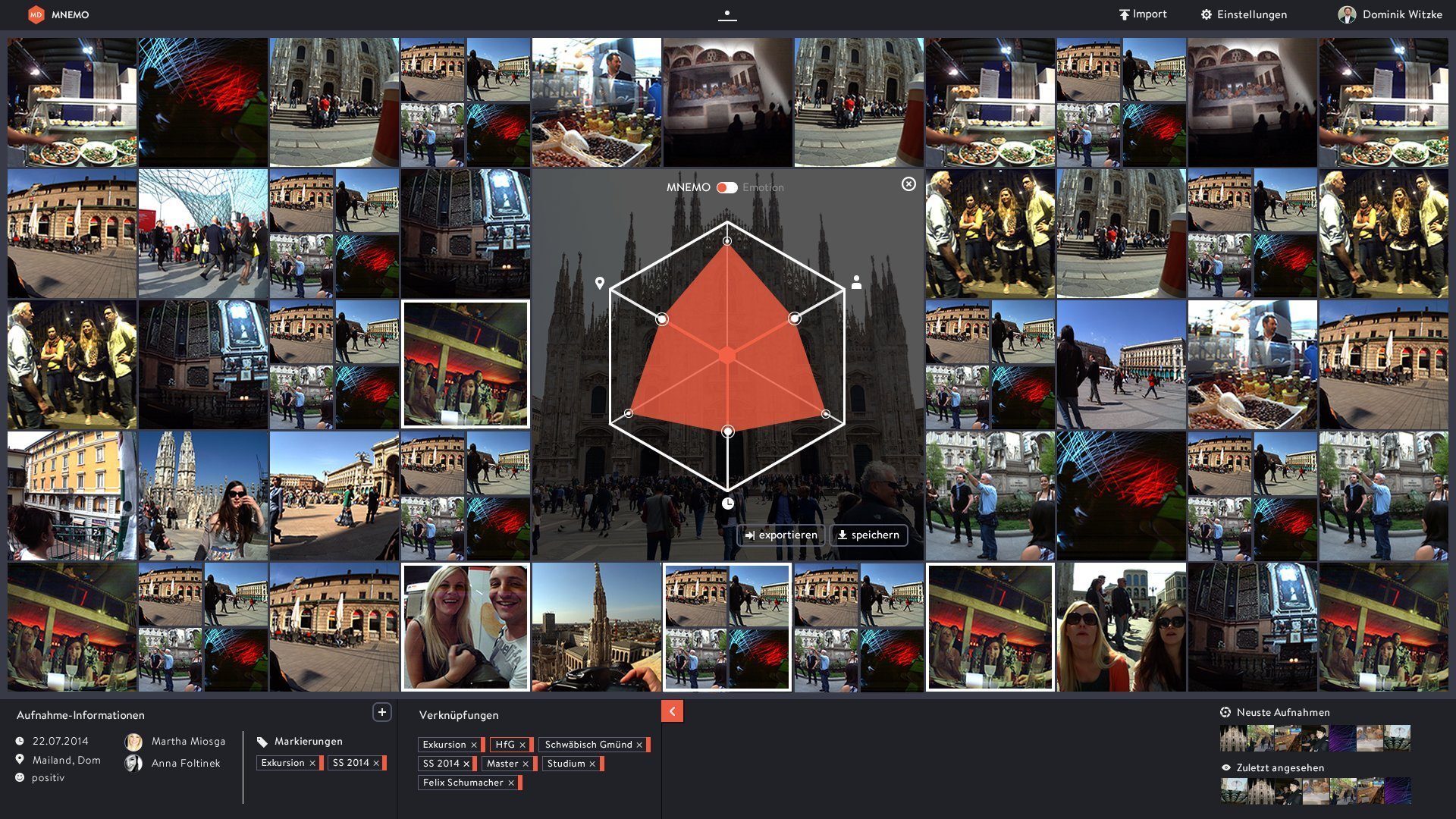
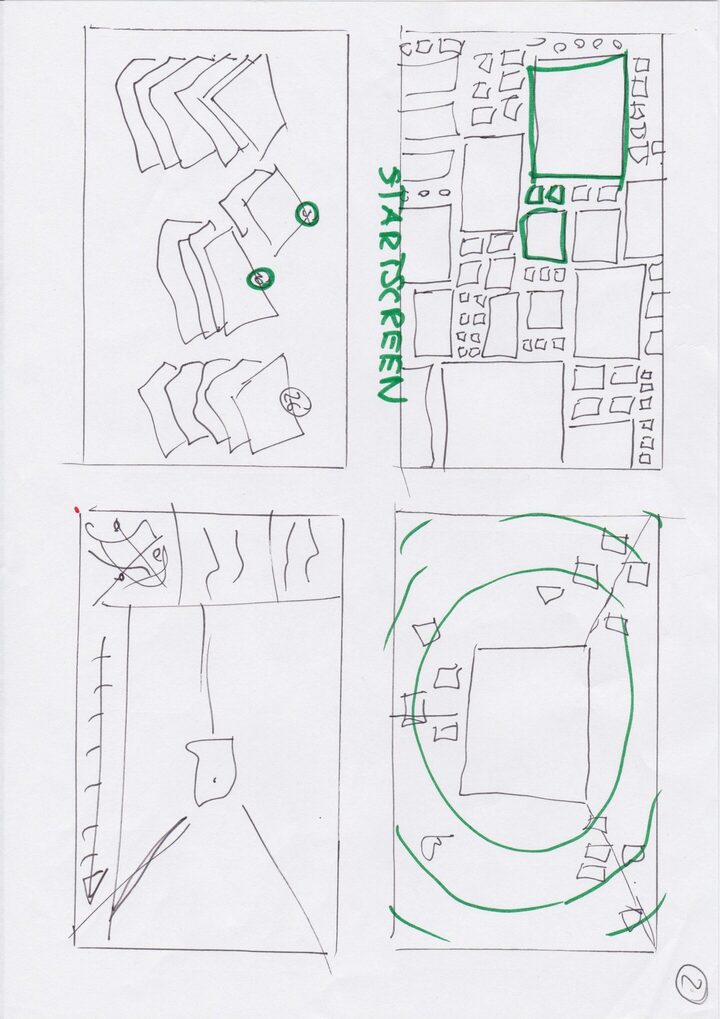
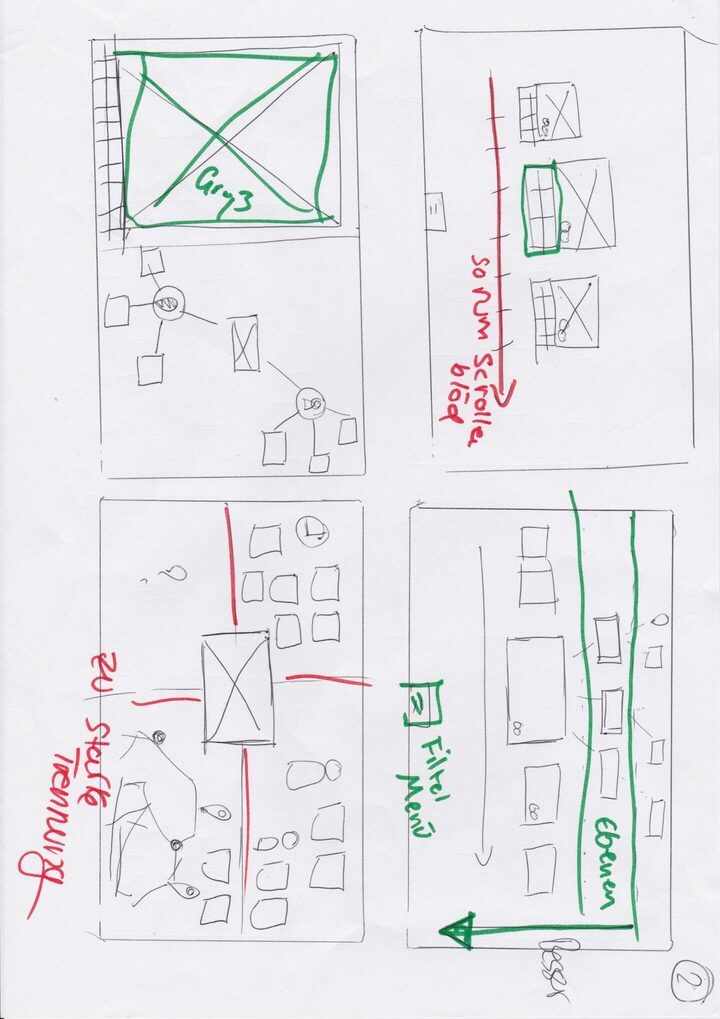
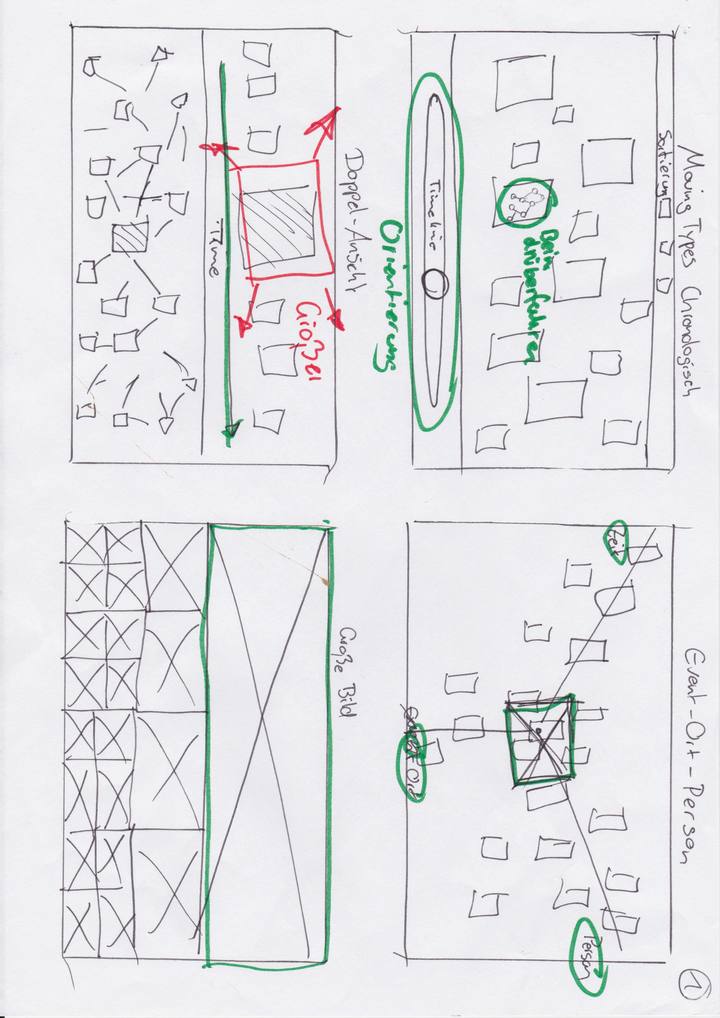
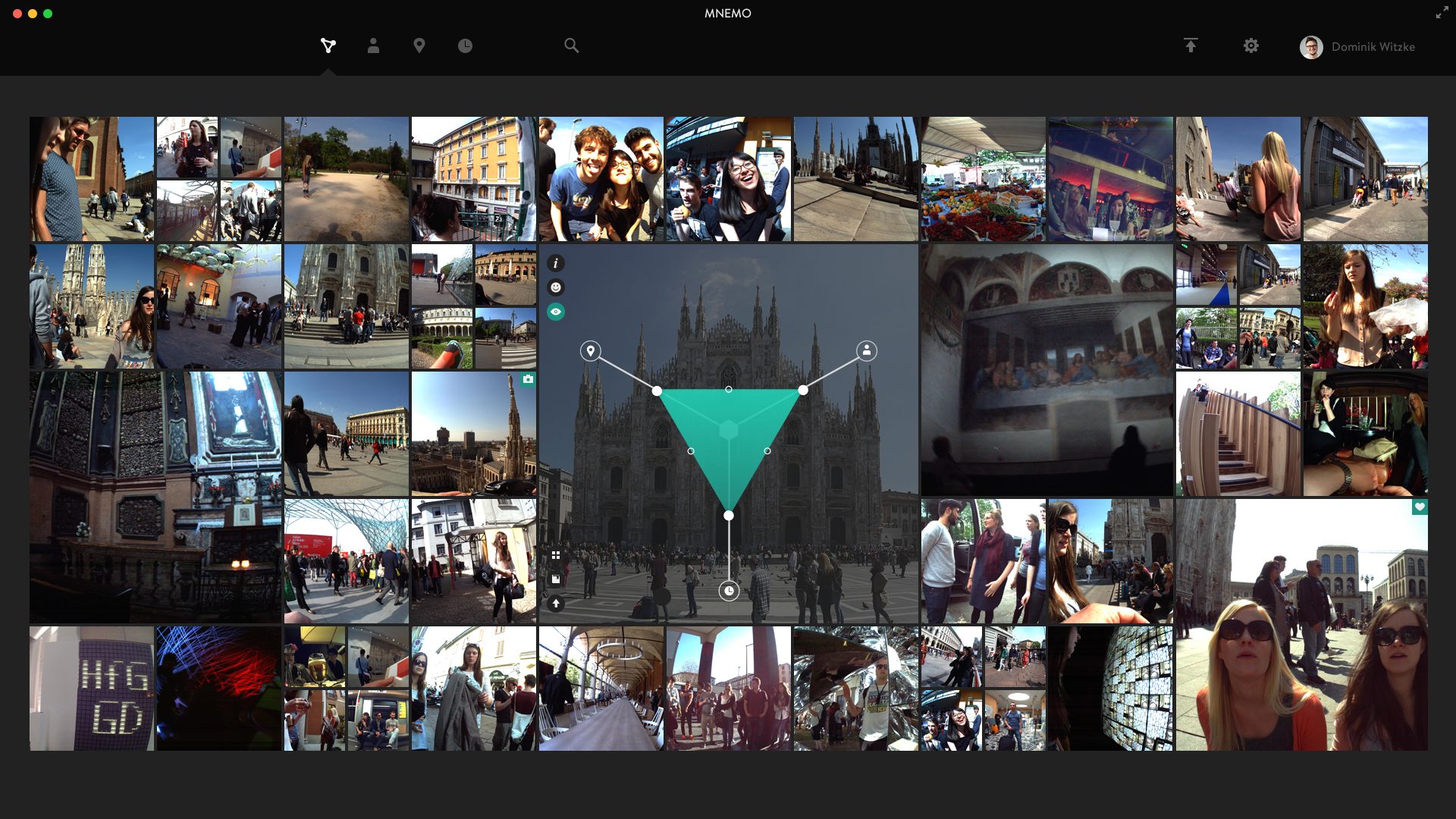
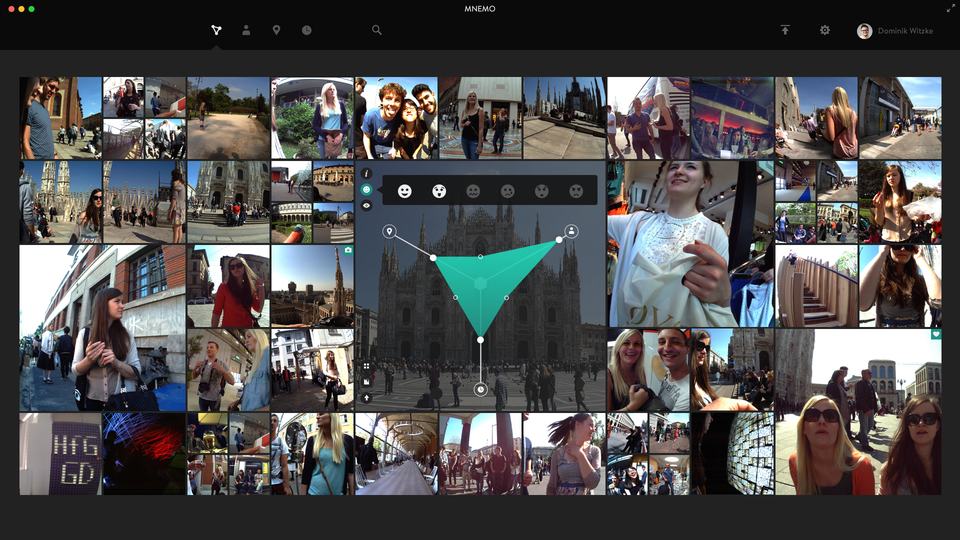
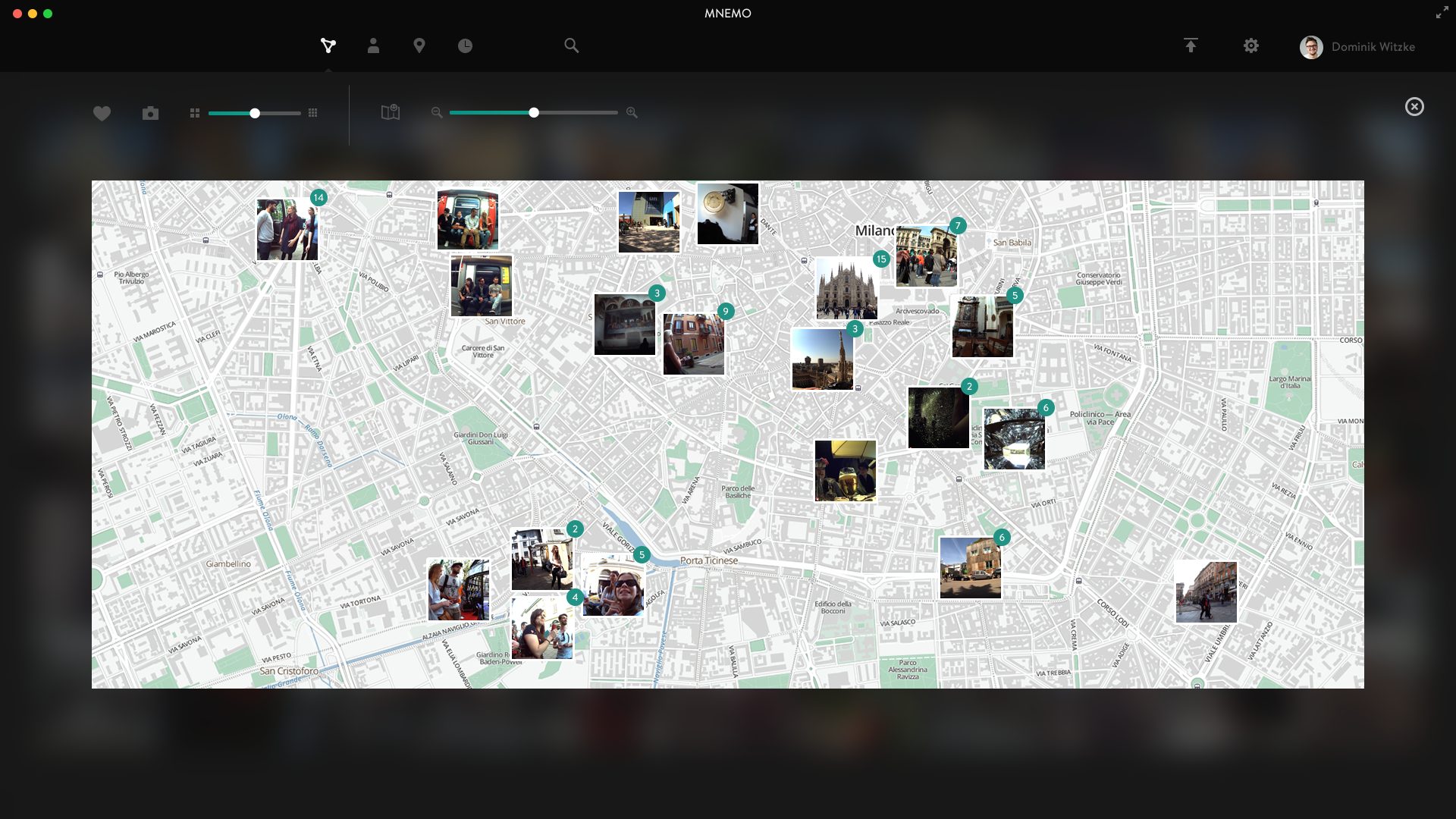
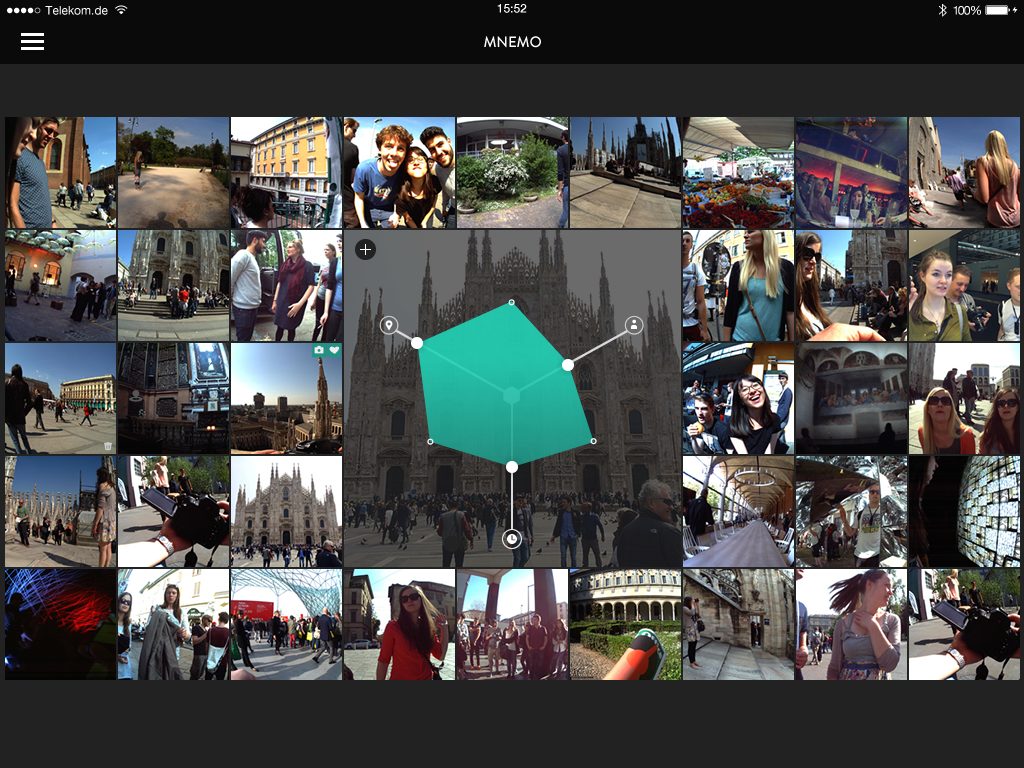
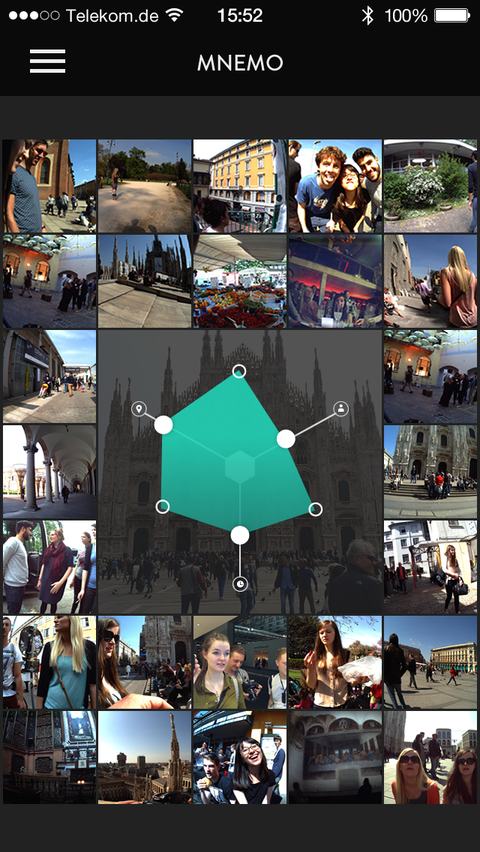
The Hexagon Navigator: the interaction model grows out of the data model. Any memory can become the centre; place, person and time link every other one to it, and three emotion axes between them complete the hexagon. Instead of search forms and filter lists, users stretch the shape. Pull the emotion axes in and only the highlights remain, shown large: memories filtered by how much they moved you, not only by when they happened.
A separate view filters by individual emotions. The same network opens as a photo grid and on a map, on desktop, tablet and phone.
The archive forgets.
Pictures nobody looks at lose their colour over the years, like memories do; looking at one brings its colour back. A real process of forgetting was one of the sixteen design principles.



06 / What remains
An early answer to a question I still work on.
First place in the Privacy category, Zukunftspreis Kommunikation 2014 · master’s thesis graded 1.0 · lab talk at Intuity, Stuttgart · regional and trade press, 2014/15.
Reflection
MNEMO asked in 2014 what is my core topic today: how much autonomy do we give systems that decide for us? What I would do differently: test early with working sensors on the body, not only in scenarios. Whether physiological signals detect emotions reliably enough remained open.
- Team
- Martha Miosga, Dominik Witzke
- Supervision
- Prof. Ralf Dringenberg, Prof. Jens Döring · HfG Schwäbisch Gmünd
- References
- Film, 2014 ↗